Luxury Golf Resorts USA: Premium Facility Analysis
Premium golf tourism operates within a matrix of geographic scale, landscape design, and hospitality infrastructure. Across the United States, destination properties represent a complex integration of sports agronomy and luxury hospitality. The structural evolution of these sites reflects broader historical shifts in American leisure patterns. Understanding how these massive physical plants operate requires examining the intersection of course architecture, capital allocation, and service execution.
Modern golf travel has progressed beyond simple venue collection. Discerning consumers analyze properties based on ecological integration, historical pedigree, and instructional facilities. The physical environment must provide distinct aesthetic value while maintaining precise athletic conditions. Consequently, evaluating premium destinations necessitates a comprehensive framework that accounts for microclimates, turfgrass management, and agronomic sustainability.
This study provides a rigorous, data-driven analysis of elite golf resort sectors within the United States. Rather than compiling superficial marketing lists, this text establishes structural parameters for evaluating geographic and operational suitability. Traveling players can utilize these objective criteria to optimize destination selection based on specific seasonal, physical, and administrative constraints.
Understanding “luxury golf resorts usa”
The phrase luxury golf resorts usa is frequently interpreted as a subjective compilation of high-tariff lodging options adjacent to eighteen-hole courses. Such interpretations reduce complex architectural, agronomic, and logistical systems down to basic consumer metrics. A precise definition requires evaluating how a property satisfies specific structural and physical requirements. Elite athletic facilities present inherent maintenance challenges, meaning that an optimal retreat must balance environmental design with world-class hospitality infrastructure.
The Metric of Architectural Integrity
True sporting utility is measured by the quality of course design and preservation. High-quality destinations feature layouts crafted by master architects who exploit natural topography. This preservation allows for strategic variety, optimal drainage, and distinct aesthetic value. However, complex topography introduces logistical challenges regarding turfgrass irrigation, mechanical harvesting, and player circulation.
Hospitality Infrastructure Alignment
A common failure in evaluating travel sectors involves misaligning accommodation types with player expectations. Coastal environments offer excellent summer playing conditions but present severe seasonal wind hazards. Conversely, desert depressions provide ideal winter thermal profiles while presenting turfgrass stress from June through September. Therefore, selecting the ideal location depends heavily on matching regional geography with agronomic cycles.
Deep Contextual Background: The Evolution of Premium Golf Properties
Human engagement with American golf landscapes has shifted through distinct historical phases. Prior to industrialization, early courses were designed primarily on sandy coastal links lands that mirrored Scottish origins. Municipalities like Newport and Southampton developed private clubs that served as exclusive summer enclaves for wealthy industrial elites. This era established the foundational association between the sport and premium social status.
The Mid-Century Resort Expansion
During the mid-twentieth century, the American economic expansion introduced widespread commercial aviation and expanded resort infrastructure. Technological advancements, such as automatic irrigation systems, transformed arid regions into viable year-round sporting real estate. Air conditioning mitigated seasonal thermal extremes, allowing desert valleys in California and Arizona to expand their hospitality networks. This structural shift laid the groundwork for contemporary multi-course complexes.
The Modern Destination Era
The late twentieth century introduced the standalone destination model, pioneered by remote properties built on marginal land. These developments prioritized architectural purity over urban proximity, forcing travelers to make dedicated multi-day pilgrimages. This era elevated the importance of the caddie program, walking-only policies, and minimalist course architecture. Today, the 2026 hospitality climate is defined by an integration of these historical layers, where environmental sustainability and advanced athletic training centers dictate premium status.
Conceptual Frameworks for Property Evaluation
To systematically evaluate the luxury golf resorts usa, analysts utilize three primary environmental and operational models. These models categorize locations based on tangible physical properties rather than aesthetic appeal.
1. The USGA Agronomic Profile Matrix
This system identifies properties based on turfgrass selection, soil structure, and moisture management. Travelers utilize this data to predict exact green speeds, fairway firmness, and weather resilience. For example, sand-based bentgrass greens in the Pacific Northwest require completely different playing strategies than clay-based Bermuda grass fairways in the Southeast.
2. The Architectural Pedigree Index
This framework measures the authenticity of the layout via historical design classifications. High-tier retreats preserve original routing patterns established by Golden Age designers or modern minimalists. This metric correlates directly with strategic depth, ensuring that the course challenges advanced players while remaining playable for higher handicaps.
3. Service Latency Index
This index measures the temporal delay between a guest request and staff execution across the property. It serves as a critical operational boundary for resort evaluation, tracking caddie availability, tee-time spacing, and culinary delivery. High-performing environments utilize decentralized staging areas to minimize transit delays across expansive acreage.
Key Categories and Taxonomic Variations
Premium sporting properties within the United States are categorized by distinct geographical profiles. Each province demands specific playing strategies and presents clear operational trade-offs.
Coastal Links Formations
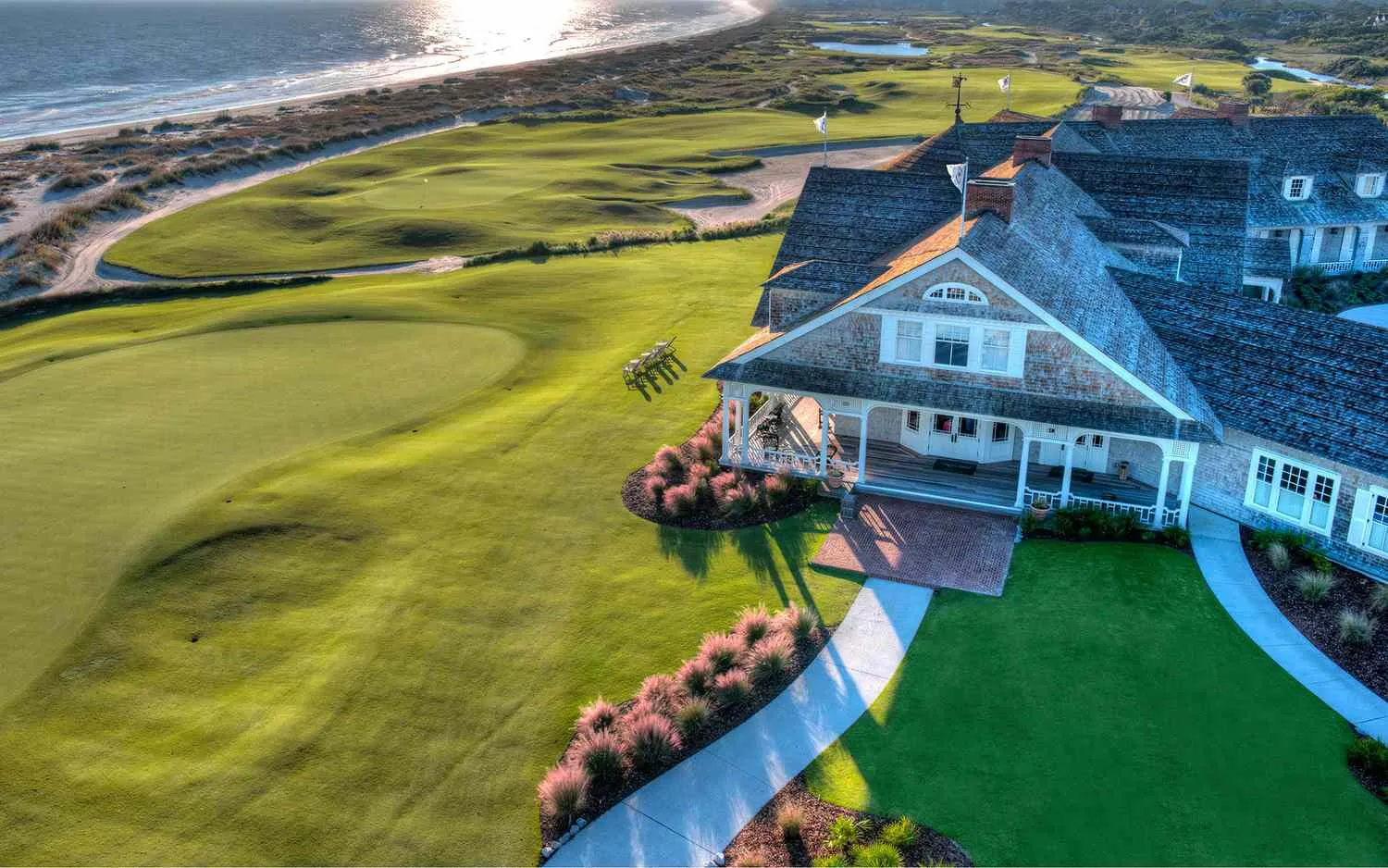
Characterized by sandy soils and maritime wind patterns, coastal links environments represent the historic origin of course design. These properties feature native sand dunes, fescue turfgrass, and unobstructed ocean vistas. However, coastal exposure increases salinity levels, requiring salt-tolerant grass strains and constant bunker reconstruction.
Desert Oasis Enclaves
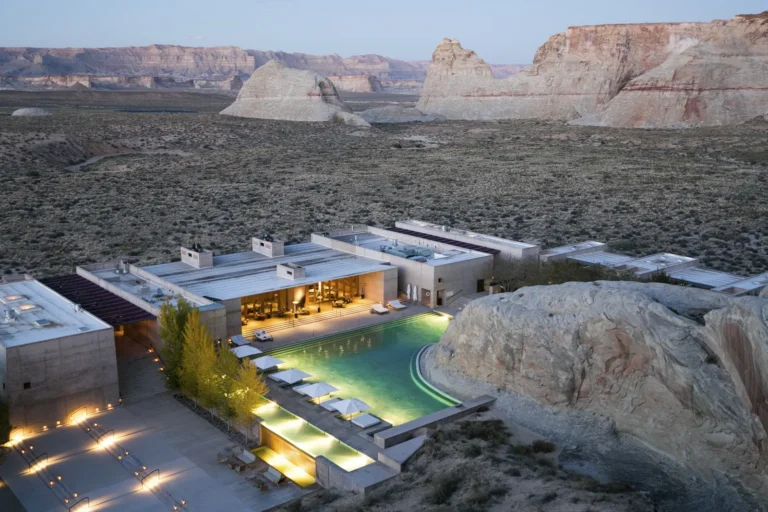
This low-elevation sector is defined by sharp visual contrasts between manicured green fairways and arid mountain backdrops. Overseeding techniques are utilized during winter months to maintain emerald-green ryegrass over dormant Bermuda bases. These complexes provide exceptional thermal stability during winter but demand massive water reserves and advanced irrigation tracking.
Mountain Elevation Complexes
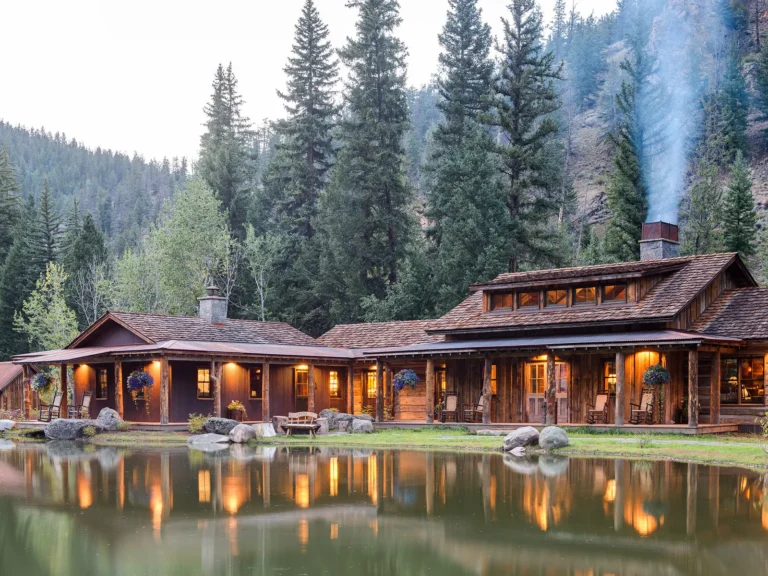
Situated within alpine corridors, mountain properties exploit dramatic elevation drops and dense forest boundaries. Ball flight distance increases due to lower atmospheric density, altering yardage calculations for players. Conversely, short playing seasons and unpredictable spring snowpacks compress the operational calendar, creating high peak-season tariffs.
Comparative Resort Matrix
Decision Logic Formulation
When architectural purity is the primary goal, interior sandhills destinations during shoulder seasons offer low player density and optimal turf firmness. If climate consistency and non-golf amenities are prioritized, desert oasis enclaves during winter provide stable atmospheric conditions. Selecting a destination must always follow an objective analysis of these physical parameters.
Detailed Real-World Scenarios
Scenario A: Coastal Weather-Disrupted Expedition
A traveler books an early spring package at a premier coastal property in Oregon. The objective requires navigating thirty-six holes per day utilizing traditional caddie services.
-
Constraints: Daytime temperatures fluctuate wildly, accompanied by intermittent rain squalls and gale-force winds. The sandy soil drains moisture efficiently, but visibility drops significantly during heavy coastal fog.
-
Decision Points: The player must choose between carrying lightweight waterproof gear configurations or utilizing resort locker room drying facilities between rounds.
-
Failure Mode: Relying on mechanical cart transit where walking-only rules are enforced to protect sensitive coastal sand dunes.
-
Second-Order Effect: High winds accelerate player fatigue, resulting in mechanical swing breakdowns and increased risk of soft-tissue injuries by the afternoon round.
Scenario B: Desert Winter Overtouristed Window
An individual schedules a corporate retreat at a multi-course desert complex in Arizona during February.
-
Constraints: High demand compresses tee-time intervals to nine-minute increments. High afternoon temperatures accelerate green drying, increasing ball bounce indices on putting surfaces.
-
Decision Points: Group coordination must prioritize early morning tee times to ensure round completion under four and a half hours.
-
Failure Mode: Booking late afternoon rounds because of discounted rates, leaving final holes unplayable due to sudden desert twilight drops.
Planning, Cost, and Resource Dynamics
Executing a successful excursion to elite golf properties involves navigating unique financial and logistical constraints. Traditional travel planning often underestimates the direct costs of caddie fees, equipment shipping, and peak-season facility access premiums.
Cost Variance Breakdown
The Opportunity Cost of Remote Destination Layouts
Choosing highly accessible metropolitan resorts reduces transit complexity but introduces significant non-golf crowding. This congestion degrades the primary benefits of dedicated sporting travel, such as fast pace of play and exclusive practice facility access. Conversely, reaching undisturbed rural sandhills requires substantial investments in puddle-jumper aviation and ground transport extensions.
Tools, Strategies, and Support Systems
-
Dedicated Club Transport Networks: Utilizing specialized shipping services eliminates airport baggage handling friction and protects expensive equipment.
-
Agronomic Tracking Applications: Monitoring regional moisture indexes allows players to anticipate fairway firmness and green speed measurements.
-
Digital Caddie Booking Systems: Securing senior caddie allocations weeks in advance ensures superior course management advice.
-
Custom Launch Monitor Calibration: Adjusting tracking parameters for local elevation changes guarantees accurate yardage tracking across varying topographies.
-
Multi-Layered Thermal Apparel: Utilizing advanced wind-blocking fabrics prevents core temperature drops during coastal storms.
-
Handicap Verification Services: Maintaining active digital scoring credentials is mandatory for accessing premium championship layouts.
Risk Landscape and Failure Modes
The primary hazard in premium golf travel involves the compounding nature of operational and environmental stressors. A single scheduling delay can quickly escalate into a lost round if facility access is mismanaged.
The Pace-of-Play Bottleneck
Slow groups on opening holes create cumulative delays that ripple across the entire daily tee sheet. If martial staff fails to enforce regional time limits, early morning rounds stretch past five hours. This delay destroys subsequent starting times, forcing later players to abandon their rounds due to darkness.
Turfgrass Disease Outbreaks
Sudden humidity spikes can trigger fungal blights on sensitive putting greens within forty-eight hours. To manage this risk, agronomy teams apply preventative chemical treatments that alter surface friction. Players who fail to adapt their putting stroke to these temporary surface conditions experience significant scoring anomalies.
Governance, Maintenance, and Long-Term Adaptation
Preserving the structural quality of the luxury golf resorts usa requires strict adherence to environmental management practices. Modern course superintendents balance athletic performance with strict water allocations and chemical runoff regulations.
Seasonal Property Audits
Travelers should review resort operational structures prior to booking. Spring evaluations focus on aeration calendars, as core aeration renders greens unplayable for up to fourteen days. Autumn reviews ensure overseeding schedules do not conflict with planned tournament travel dates.
Measurement, Tracking, and Evaluation
Evaluating the success of a premium sporting excursion relies on tracking specific physical and statistical metrics.
Quantitative Metrics
-
Stimpmeters Measurements: Tracking exact green speeds to evaluate consistency between practice facilities and game courses.
-
Pace of Play Velocity: Monitoring minutes elapsed per hole to assess the effectiveness of course marshalling structures.
-
Fairway Firmness Indexes: Measuring ball release distance after impact to determine agronomic moisture management quality.
Qualitative Signals
-
Caddie Synergy: Assessing how accurately an assigned caddie reads local green breaks and handles player psychology.
-
Locker Room Service Efficiency: Evaluating how swiftly attendant staff handles equipment cleaning and shoe restoration requests.
Common Misconceptions and Oversimplifications
-
“Championship courses provide the best resort experience:” Layouts designed for professional tournaments are often too difficult for average resort guests, reducing enjoyment.
-
“Summer is the optimal time for desert golf resorts:” Extreme desert heat degrades turf quality and presents significant hydration risks for players.
-
“Caddies are only for elite players:” Experienced caddies improve pace of play and protect course conditions for golfers of all skill levels.
-
“Cart riding is faster than walking with a caddie:” Well-trained caddies walk efficient diagonal lines, often leading groups faster than cart path-restricted vehicles.
-
“Aeration schedules do not impact vacation value:” Playing on recently aerated greens destroys putting consistency and decreases the overall value of the trip.
-
“All multi-course resorts offer equal amenity access:” Certain flagship courses within larger complexes are restricted to specific lodging tiers or member structures.
-
“High greens fees guarantee perfect course conditions:” Weather anomalies, insect infestations, and unexpected water supply cuts can compromise any layout.
Conclusion
Successfully navigating premium golf tourism requires moving past superficial hospitality marketing narratives. By analyzing these complex complexes through agronomic and architectural frameworks, players can safely maximize their travel investments. True enjoyment of these environments demands careful planning, adaptive playing strategies, and deep respect for the local golf ecology. When managed with objective judgment, these expansive sporting landscapes provide some of the most challenging and restorative leisure experiences available.