Luxury Luggage Brand Options: A Professional’s Guide to Durable Travel
The contemporary discourse surrounding personal transit equipment often conflates aesthetic status with mechanical integrity. While the social signaling associated with high-end travel gear remains a pervasive driver of consumer behavior, the reality of global mobility demands a more pragmatic evaluation of the tools that secure one’s essential effects. Luxury is frequently marketed as a veneer of prestige, but when examined through the lens of long-term utility, it must be redefined as the intersection of material science, structural resilience, and ergonomic efficiency.
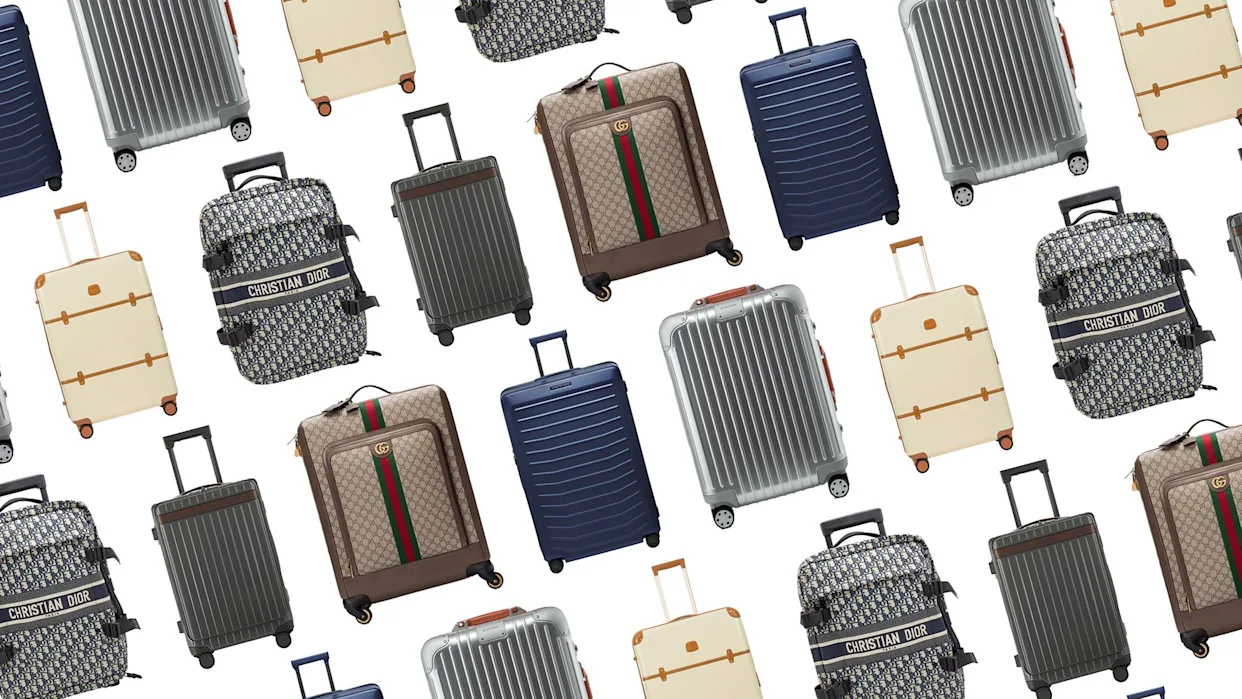
Investing in high-end transit vessels requires an understanding that transcends the brand logo. It necessitates an appreciation for how materials—polycarbonate, aerospace-grade aluminum, full-grain leather, and ballistic nylon—respond to the violent realities of modern baggage handling systems. The proliferation of diverse design philosophies has created a complex market where the most visible labels are not always those that provide the highest return on operational performance.
Achieving clarity in this landscape involves stripping away the layers of marketing to reveal the true manufacturing intent. Are these products built for the lifecycle of a decade, or are they engineered for the rapid turnover of seasonal trends? By examining the architecture of these travel tools, one can distinguish between genuine engineering excellence and the mere appropriation of luxury aesthetics for mass-market consumption.
Understanding “luxury luggage brand options”
The primary misunderstanding concerning luxury luggage brand options lies in the assumption that price correlates linearly with lifespan. In the premium market, pricing is often decoupled from durability, influenced heavily by brand equity, retail distribution costs, and high-margin seasonal collections. Consumers often conflate “luxury” with “heavy duty,” when in fact, many high-fashion travel pieces are designed with a focus on tactile luxury rather than the rigors of airport conveyor systems.
Oversimplification in this space can lead to catastrophic failure. Selecting a case based on its silhouette or its association with a specific fashion house ignores the structural vulnerabilities inherent in complex locking mechanisms or non-replaceable hardware. The “best” options are those that adhere to a philosophy of repairability—where the inevitable wear and tear of international transit can be mitigated through swappable parts and authorized maintenance, rather than total replacement of the asset.
Deep Contextual Background
The evolution of travel goods reflects the broader shifts in global transport. The shift from heavy, rigid trunks to lightweight, wheeled carry-ons was driven by the commercialization of air travel and the resulting demand for individual agility. Throughout the mid-20th century, materials such as vulcanized fiberboard and later, high-impact polymers, replaced leather as the standard.
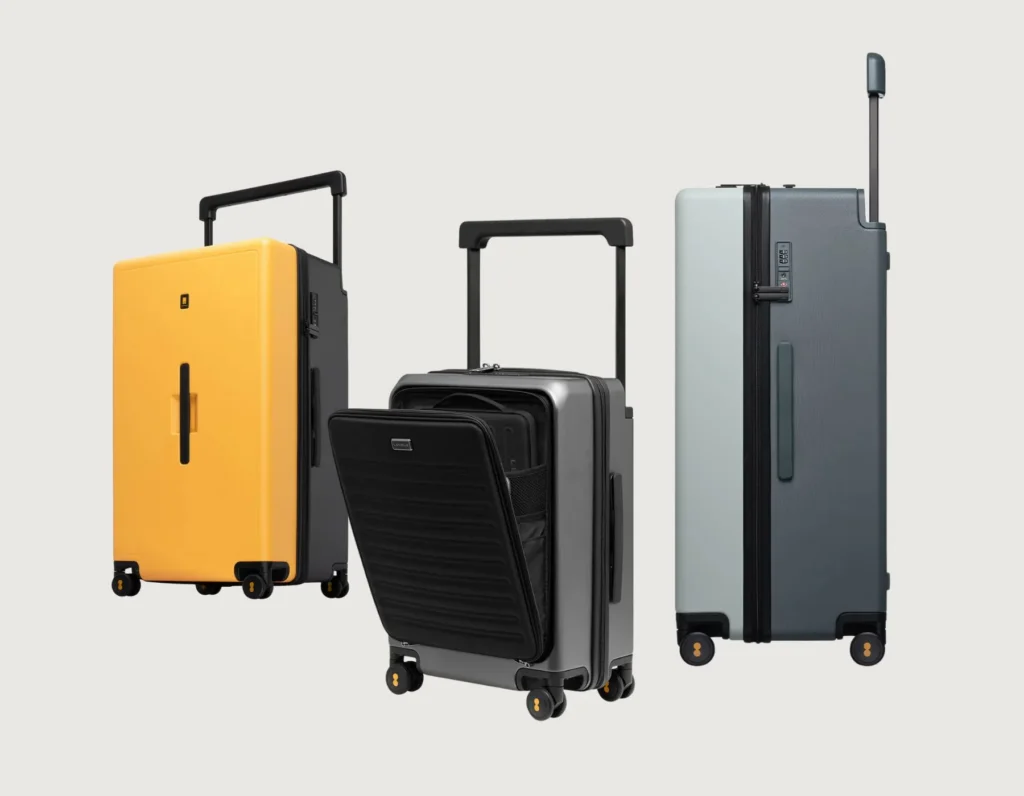
Contemporary luxury luggage brand options exist in a post-industrial landscape where mass production is high-quality, but personalization and heritage remain the final frontiers of differentiation. We have moved from an era of purely utilitarian design into an era of “lifestyle integration,” where the travel case is increasingly viewed as an extension of the professional’s personal brand. However, this has simultaneously introduced a degree of fragility, as aesthetic flourishes often compromise the structural integrity of the shell.
Conceptual Frameworks and Mental Models
-
The Repair-to-Replacement Ratio: Does the manufacturer provide parts and support? A $2,000 bag that cannot be repaired is a liability; a $500 bag with a modular design is an asset.
-
The Weight-to-Strength Paradox: Luxury is often associated with substance, yet in travel, weight is a significant operational penalty. The most effective materials (e.g., carbon fiber, reinforced polycarbonate) prioritize strength-to-weight efficiency over sheer mass.
-
The Hardware-First Audit: The shell of a bag is rarely the first failure point; the wheels, handles, and zippers are. Evaluation must begin at the weakest point of connection.
Key Categories and Variations
| Category | Material Focus | Primary Strength | Trade-off |
| Aluminum Shell | Aerospace Alloy | Security, Rigidity | Dents, Weight |
| High-End Polycarbonate | Multi-layer Polymer | Flexibility, Weight | Stress-cracking risk |
| Full-Grain Leather | Natural Hide | Aesthetic, Aging | Maintenance, Weight |
| Ballistic Nylon | Technical Textile | Durability, Storage | Structureless (Soft) |
| Hybrid/Composite | Mixed Media | Versatility | Complexity of repair |
Decision Logic: If travel is exclusively air-based and requires maximum protection for sensitive cargo, aluminum or high-density polycarbonate is standard. If the travel involves frequent ground-based transit and requires high internal volume flexibility, ballistic nylon systems are superior.
Detailed Real-World Scenarios
-
The International Transit Corridor: Constant travel through high-traffic hubs with rigorous baggage handling. Aluminum shells are preferred here for their structural resilience against blunt force, despite the inevitable cosmetic scuffs that signify intensive use.
-
The Boutique Hotel Rotation: A focus on aesthetic continuity. Leather-trimmed soft-sided luggage offers the necessary sophistication and aging characteristics that appeal to those who value the “traveler’s patina” over industrial sterility.
-
The Multi-Modal Commute: A professional traversing cities via train, taxi, and foot. Here, a modular carry-on system with high-quality, user-replaceable Japanese spinner wheels is essential for reducing physical fatigue and maintaining pace.
Planning, Cost, and Resource Dynamics
The acquisition of luxury travel gear should be treated as a capital investment.
| Cost Tier | Expected Lifespan | Maintenance Requirement |
| Entry Premium ($300–$600) | 3–5 Years | Low; Replace entirely |
| Institutional Grade ($700–$1,500) | 5–15 Years | Moderate; Periodic parts replacement |
| Bespoke/Heritage ($2,000+) | Lifetime | High; Professional restoration |
Tools, Strategies, and Support Systems
-
Modular Packing Systems: The use of internal compression cubes maximizes volume and maintains organization when the case must be opened for inspection.
-
Identification Redundancy: Relying on more than just external tags; digital trackers and internal identification cards are crucial for recovery.
-
Hardware Kits: Maintaining a small kit of common replacement screws and zipper lubricants for extended trips.
Risk Landscape and Failure Modes
The primary risks include zipper failure under load, wheel breakage due to lateral force, and shell fatigue near the handle attachment. A professional-grade traveler accepts these as statistical probabilities and plans accordingly—never traveling with gear that lacks a documented, accessible path to repair within their primary operational theaters.
Governance, Maintenance, and Long-Term Adaptation
Treat your luggage as a managed asset.
-
Quarterly Audit: Inspect wheels for debris and ensure all hardware fasteners are torqued correctly.
-
Professional Cleaning: Leather requires conditioning; technical fabrics require careful vacuuming to prevent grit from acting as an abrasive inside the weave.
-
Adaptation Trigger: If a specific piece of gear consistently results in logistical friction (e.g., zipper jam, balance issues), it must be retired immediately.
Measurement, Tracking, and Evaluation
-
Cost-per-Trip Analysis: Calculate the total cost of the item divided by the number of successful, issue-free trips.
-
Resilience Tracking: Maintain a log of any hardware replacements. If a brand requires two replacements in a single year, the design, regardless of price, is fundamentally unsuited to the user’s specific travel intensity.
Common Misconceptions and Oversimplifications
-
“Luxury brands provide the best durability.” False; durability is a function of engineering, not brand marketing.
-
“Hard shells are always safer.” A hard shell can crack under extreme pressure; a soft-sided bag with a rigid frame may deform and recover better.
-
“Lifetime warranties are absolute.” Many are conditional. Read the fine print; often, airline damage—the most common cause of failure—is specifically excluded.
Conclusion
The pursuit of the right travel tools is not about achieving a specific look, but about optimizing the interface between the individual and the environment. By carefully vetting luxury luggage brand options, the sophisticated traveler can eliminate the variable of “equipment failure” from their list of operational concerns. The most effective gear is that which disappears from one’s consciousness during transit, allowing for total focus on the purpose of the journey rather than the mechanics of the conveyance.