Top Boutique Hotels in America: The Definitive Editorial Guide to Independent Luxury
The evolution of the American hospitality industry has reached a crucial inflection point. The predictable consistency of corporate hotel chains is no longer the default preference for the modern luxury traveler. This shift has elevated unique properties from alternative novelties to major industry drivers. Intellectual luxury is now defined by architectural preservation, culinary innovation, and highly localized cultural programming. These elements form the foundation of independent lodging across the country.
The market has responded with an influx of independent properties, lifestyle brands, and soft-branded collection hotels. This rapid expansion makes rigorous analysis essential. True hospitality differentiation requires deep structural intention. It cannot be achieved through superficial design elements or clever marketing narratives. A property must exhibit clear operational frameworks and distinct regional characteristics to be classified among the top boutique hotels in america.
Evaluating these premium properties requires a systemic approach. True quality is determined by real property dynamics, design methodologies, and capital deployment strategies. Superficial metrics like online review scores often fail to capture a hotel’s actual long-term value. This analysis provides an objective operational framework for understanding the upper tier of the American independent hospitality market.
Understanding “top boutique hotels in america”
The designation of a property within the ecosystem of the top boutique hotels in america requires clear parameter setting. A common misunderstanding within hospitality analysis is the conflation of aesthetic eccentricity with genuine boutique operations. The market frequently applies the “boutique” label to any property featuring bold interior design choices or non-standard lighting configurations. In reality, a true boutique operation is defined by structural asset constraints and highly customized service deployment.
Properties in this elite category typically operate with fewer than 140 keys. This inventory constraint is an operational necessity. It allows the management infrastructure to maintain a high ratio of staff to occupied rooms. When a hotel exceeds this scale, service delivery inevitably shifts toward automated, algorithmic systems. This transition dilutes the hyper-personalized guest experience that defines the segment.
Oversimplification risks also emerge when analyzing design provenance. Independent hospitality assets must be integrated directly into their local cultural ecosystems. A property cannot achieve authentic boutique status by imposing a generic luxury aesthetic onto a distinct regional market. The top boutique hotels in america utilize narrative architecture. Every spatial element, from structural materials to staff uniforms, reflects the history and geography of the location.
Furthermore, soft-branded properties managed by massive international conglomerates often complicate this definition. These assets frequently use independent branding while relying on corporate reservation infrastructure and standardized operating procedures. True boutique hotels maintain clear creative independence. This independence allows them to prioritize long-term brand equity over short-term corporate synergy.
Deep Contextual Background
The modern American boutique hotel sector developed as a direct reaction against the extreme standardization of 20th-century hospitality. The post-war era saw the rapid expansion of interstate highways and corporate flight networks. This growth created a massive demand for predictable, uniform lodging options across the country. Major brands standardizing their floor plans and dining options offered travelers a reliable sense of security.
By the early 1980s, this complete predictability created market exhaustion among experienced travelers. The initial boutique counter-movement emerged in major metropolitan areas like New York, San Francisco, and Los Angeles. Early pioneers transformed historic urban buildings into highly curated sensory environments. These properties focused on vibrant social spaces, nightlife integration, and avant-garde interior designs.
The concept evolved rapidly over the next two decades. What began as an edgy urban trend expanded into secondary markets and rural environments. The definition of luxury shifted away from formal opulence toward authentic, localized experiences. Travelers increasingly sought out properties that functioned as entry points to their destinations rather than isolated, generic sanctuaries.
This evolution generated complex institutional dynamics. Real estate investment trusts (REITs) and private equity firms recognized the high revenue per available room (RevPAR) premiums generated by independent assets. This realization brought institutional capital into a sector previously dominated by independent entrepreneurs. The current market requires a careful balance. Operators must protect the creative agility of the boutique model while meeting the strict financial reporting demands of institutional owners.
Conceptual Frameworks and Mental Models
Analyzing the top boutique hotels in america requires clear conceptual frameworks. These models explain how an independent property generates sustained value without the support of a traditional corporate network.
The Ecosystem Integration Model
This framework views the hotel not as an isolated commercial asset, but as an active node within a local community. The property functions by exchanging value with local artisans, farmers, historians, and cultural institutions.
-
Application: The hotel sources its culinary ingredients from regional farms, commissions decor from local studios, and designs guest experiences around regional historical narratives.
-
Limitation: This model depends heavily on the cultural density of the host community. If applied in an area lacking distinct local supply chains, the integration can feel forced and artificial.
The Narrative Architecture Framework
This model treats spatial design as a sequential storytelling medium. The guest’s journey through the property is structured like a narrative arc, with distinct psychological transitions built into different zones.
-
Application: The entry portal provides a clear psychological break from the outside world. This transitions into compressed corridor spaces that expand into grand, light-filled communal zones.
-
Limitation: This framework demands high capital expenditure during development. It can also restrict the property’s ability to adapt to changing design trends without major structural renovations.
The Frictionless Hyper-Personalization Model
This model replaces standard hospitality operating procedures with dynamic, data-informed guest recognition systems. Service delivery adapts in real time to observed guest preferences without requiring formal surveys.
-
Application: Front-of-house staff record guest preferences during casual conversations. This data is used to customize room setups, dining options, and daily itineraries automatically.
-
Limitation: This approach requires low staff turnover and high emotional intelligence across the team. If employee turnover rises, the system breaks down and service quality degrades rapidly.
Key Categories or Variations
The independent lodging landscape includes several distinct categories. Each type operates under specific constraints and addresses clear consumer demands. Understanding these differences is essential for evaluating the top boutique hotels in america.
Urban Historic Conversions
These properties are built within preserved architectural landmarks like old factories, banks, or civic buildings. They thrive on architectural character and excellent location density. However, they face strict historic preservation codes and complex structural layouts.
High-Desert and Alpine Sanctuaries
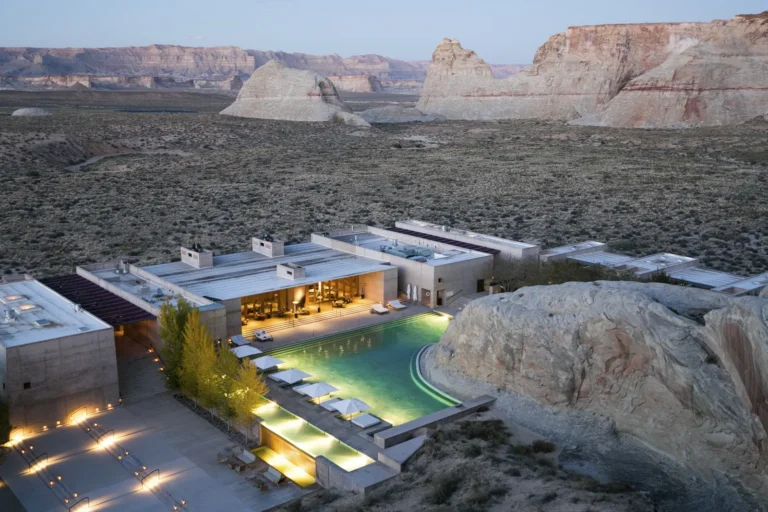
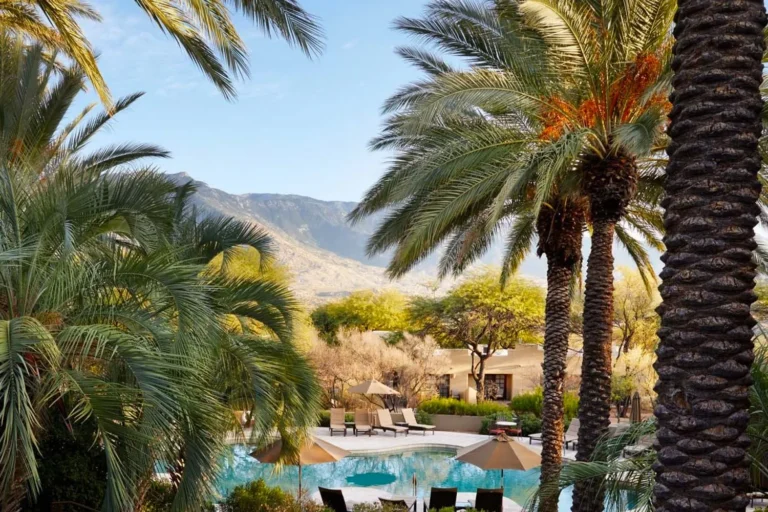
Located in remote landscapes like the American Southwest or the Rocky Mountains, these retreats emphasize privacy and outdoor access. They command exceptional rate premiums but face seasonal demand swings and complex supply chains.
Coastal Estate Enclaves
These hotels transform historic seaside estates into private, low-density compounds. They offer high exclusivity and strong multi-generational appeal, though they face major climate vulnerability and high maintenance costs.
Agricultural and Epistemic Retreats
Built on working farms, vineyards, or historic ranches, these properties focus on culinary education and wellness. They benefit from strong agritourism demand but require managing complex agricultural operations alongside luxury hospitality.
Comparative Structural Matrix
Decision Logic for Segment Selection
Selecting the right property type requires matching investment constraints with long-term operational capabilities. An investor seeking predictable corporate travel demand should focus on urban historic conversions. These assets leverage city center density to maintain stable midweek occupancy rates.
Conversely, developers focused on maximizing average daily rates often look to remote high-desert or alpine sanctuaries. These projects require longer development timelines and complex infrastructure investment. However, their exclusivity creates a highly insulated pricing model that can weather broader macroeconomic corrections.
Detailed Real-World Scenarios
To understand the operational realities of the top boutique hotels in america, we can analyze specific scenario archetypes. These examples highlight the balancing acts required to maintain property value and performance.
Scenario 1: The Adaptive Reuse of an Industrial Urban Landmark
An investment group acquires a vacant 1910 textile mill in a secondary Midwestern market with a growing tech sector. The goal is to develop a 95-key boutique hotel that serves as a community anchor.
-
Constraints: The building is listed on the National Register of Historic Places. This designation prohibits alterations to the exterior masonry window configurations or timber support structures.
-
Decision Points: Management allocates 35% of the ground floor footprint to public-access spaces. This includes an independent coffee roaster and a communal courtyard designed to attract local residents.
-
Failure Modes: The team underestimates the acoustic transmission through the historic timber ceilings. This leads to noise complaints from guests directly below the second-floor fitness facility.
-
Second-Order Effects: The high volume of local foot traffic establishes the hotel’s restaurant as a profitable standalone business. This success insulates the asset from seasonal dips in business travel.
Scenario 2: The Remote Eco-Retreat in the Pacific Northwest
A developer builds an ultra-luxury, 40-key eco-sanctuary on a rugged coastal bluff in Washington State. The property targets high-net-worth wellness travelers.
-
Constraints: The local building authority mandates zero-wastewater discharge and limits total energy draw from the regional grid.
-
Decision Points: The developer installs a commercial-grade graywater filtration system and builds an off-grid solar array. They also implement an seasonal pricing model, raising peak summer rates to offset winter occupancy drops.
-
Failure Modes: The remote location lengthens supply lines for specialized equipment parts. A failure in the main geothermal heating loop during January forces a full property closure for five days.
-
Second-Order Effects: The property’s off-grid design appeals directly to eco-conscious luxury travelers. This green reputation allows the hotel to maintain high rates without relying on traditional travel agency networks.
Planning, Cost, and Resource Dynamics
Operating within the upper tier of the top boutique hotels in america requires unique financial structures. Independent hotels lack the centralized purchasing power of multinational hospitality chains. This lack of scale increases both development and operational costs.
Bespoke Furniture, Fixtures, and Equipment (FF&E) sourcing represents a major capital expense. A premier boutique property avoids standardized catalog furniture. Instead, operators commission custom production runs from independent studios. This strategy protects design uniqueness but inflates upfront costs and lengthens procurement timelines.
Direct operational costs are also heavily shaped by staffing structures. Maintaining high service standards requires a dedicated team of concierges, bell staff, and specialized guest relations personnel. This labor-intensive model increases fixed overhead costs, leaving the property vulnerable during sudden market downturns.
Capital Allocation and Pro-Forma Variance
Hidden Cost Dynamics and Long-Term Value
The true financial challenge for independent properties lies in long-term capital maintenance. Soft goods like linens, rugs, and upholstery wear down quickly under heavy commercial use.
A chain hotel can replace these items using predictable corporate supply chains. A top-tier boutique hotel must re-engage specialized artisans to repair or replace custom elements. This maintenance approach protects the property’s unique character but requires higher ongoing capital reserves.
Tools, Strategies, and Support Systems
Independent properties must build custom technology stacks and operational partnerships to compete effectively against corporate hotel brands.
1. Independent Property Management Systems (PMS)
Modern platforms like Stayntouch or Mews provide cloud-based guest management without the rigid design constraints of legacy corporate software. These tools allow front-of-house teams to handle guest needs using mobile devices from anywhere on the property.
2. Curated Global Distribution Alternatives
Partnerships with curated networks like Design Hotels, Leading Hotels of the World, or Relais & Châteaux offer independent properties essential global visibility. These affiliations provide access to affluent travelers without demanding corporate operational control.
3. Hyper-Localized Customer Relationship Management (CRM)
Boutique operators utilize specialized CRMs like Revinate or Alignment Hospitality. These platforms track guest interactions across all departments, allowing staff to anticipate needs based on behavior rather than standardized profiles.
4. Direct-to-Consumer Digital Architecture
A boutique hotel must invest heavily in unique, high-performance web design and direct booking engines. Eliminating third-party booking commissions is critical for protecting profit margins on independent properties.
Risk Landscape and Failure Modes
The primary operational risk for a premium boutique hotel is brand dilution. When a property attempts to appeal to every travel segment, it often loses the distinct character that attracted its core guests. This loss of identity can quickly lead to falling average daily rates.
Another common failure mode is poor labor management. The hyper-personalized service model depends entirely on experienced, emotionally intelligent staff. If a property faces high employee turnover, service quality drops. The guest experience can quickly degrade into a series of awkward, uncoordinated interactions.
Furthermore, independent hotels are vulnerable to local economic shocks. A corporate hotel can absorb a downturn in one city by relying on revenue from other markets. An independent boutique hotel relies completely on its specific local economy. Changes in regional flight paths, local environmental issues, or new competition can impact cash flows immediately.
Governance, Maintenance, and Long-Term Adaptation
Preserving the long-term asset value of a premier boutique hotel requires disciplined operational oversight. Management must implement strict maintenance schedules to ensure the property remains compelling over time.
Bi-Annual Design Audits
Every six months, the hotel’s creative leadership should evaluate all public areas and guest rooms. This process identifies worn furniture, outdated decor, and lighting issues, ensuring the property’s distinct aesthetic remains intact.
Quarter-Century Structural Assessments
For historic buildings, operators must schedule regular engineering reviews of foundational elements, roof structures, and mechanical systems. Catching water penetration or foundation shifts early prevents costly emergency shutdowns later.
Continuous Local Integration Reviews
Management should review its partnerships with regional artisans, farms, and suppliers quarterly. This ensures the hotel’s food, beverage, and retail offerings continue to reflect genuine local culture.
Operational Excellence Framework
-
Quarterly Supply Chain Audits: Verify that all regional vendors continue to meet luxury quality standards.
-
Bi-Annual Design Reviews: Check and update all custom furniture, textiles, and lighting configurations.
-
Annual Capital Reserve Studies: Adjust long-term savings goals based on real-world wear and material inflation.
-
Continuous Training Protocols: Run monthly service workshops to maintain high emotional intelligence across front-of-house teams.
Measurement, Tracking, and Evaluation
Evaluating an independent hotel’s performance requires looking beyond traditional financial statements. True long-term value is measured through a combination of financial metrics and qualitative brand indicators.
While net promoter scores and online reviews provide lagging feedback, leading indicators offer a clearer picture of health. A critical metric is the property’s direct booking ratio. A healthy boutique hotel should generate over 60% of its reservations directly through its own channel, bypassing third-party commissions.
Another valuable metric is the ratio of local vendor spend to total operating costs. A high level of local spending proves the hotel is deeply integrated into its regional economy. This authentic community connection remains a primary driver of sustained interest for discerning travelers.
Common Misconceptions and Oversimplifications
The boutique hospitality sector is frequently misunderstood by outside investors and casual travelers alike. These myths often distort property valuations and lead to flawed development strategies.
-
The Decor Myth: Believing that bold interior design alone creates a boutique hotel. True boutique status requires distinct operational scales and highly personalized service delivery.
-
The Corporate Scale Error: Assuming that adding corporate operating procedures will improve an independent hotel’s performance without destroying its unique brand value.
-
The Luxury Conflation: Treating luxury and boutique as interchangeable terms. Luxury often relies on formal, predictable service patterns; boutique hospitality focuses on authentic, localized storytelling.
-
The Marketing Illusion: Expecting clever ad campaigns to make up for a lack of genuine integration into the host community.
-
The Soft-Brand Fallacy: Assuming a corporate-backed soft brand offers the same creative freedom and agility as a truly independent property.
-
The Tech-Over-Touch Trend: Replacing human service touchpoints with automated apps. This transition often dilutes the personal connection that defines the boutique segment.
Ethical, Practical, or Contextual Considerations
The growth of independent properties can introduce complex dynamics to host communities. When a new boutique hotel opens in a historic neighborhood, it often accelerates gentrification. Rising property values can increase tax pressures on long-time residents and independent businesses.
Conversely, responsible development can stimulate positive local economic activity. By directing its supply chain spend toward nearby businesses, a hotel helps keep capital within the community. This economic support can fund preservation work and protect the cultural landscape that attracted travelers in the first place.
Operating sustainably also presents practical challenges in remote areas. Bringing large volumes of travelers into fragile coastal or desert environments requires careful environmental management. Independent operators must implement advanced waste reduction, water conservation, and energy management systems to protect these sensitive destinations over the long term.
Conclusion
The market position of the top boutique hotels in america is sustained through intentional design, operational agility, and deep community integration. Independent hotels face unique challenges, including complex supply lines and higher fixed overhead costs. However, their ability to create unforgettable, culturally authentic guest experiences allows them to command significant revenue premiums over standard corporate properties.
As travelers continue to favor unique journeys over predictable consistency, the importance of independent hospitality will grow. Success in this demanding sector requires a steadfast commitment to narrative depth and exceptional service. By rejecting generic templates and embracing the realities of their destinations, these premier properties redefine the modern American travel experience.