Best Desert Spas in the US: Definitive Luxury Wellness Guide
The American Southwest contains some of the most geologically dramatic landscapes on Earth. Within these arid expanses, a sophisticated infrastructure of wellness properties has developed over many decades. Travelers frequently seek these destinations to escape dense urban centers. They look for environments where isolation and silence serve as therapeutic foundations. The arid climate provides unique conditions for physical recovery. High thermal variance combined with low humidity alters how the body regulates temperature. This environment makes specific contrast therapies highly effective.
Choosing a sanctuary in this region requires an understanding of geography and philosophy. The market includes diverse options ranging from historic hot springs to modern medical wellness centers. Each valley and canyon offers distinct microclimates and mineral profiles. For instance, the high-altitude deserts of Utah provide different physiological responses than the low-elevation valleys of Southern California. A traveler must evaluate these variations carefully before booking a multi-day stay.
This guide provides a comprehensive analysis of the premium wellness landscape in the arid United States. It evaluates destinations based on therapeutic methodology, architectural integration, and regional ecology. By examining these factors, readers can identify properties that align with their specific health goals. The following sections break down the operational realities, cost structures, and clinical offerings of these elite sanctuaries.
Understanding “best desert spas in the us”
The phrase best desert spas in the us represents more than a list of luxury resorts with massage tables. True excellence in this category requires a deep integration of the surrounding environment into the therapeutic programming. Many properties claim the title based purely on geography. However, premier destinations use the arid climate as an active component of their wellness protocols. They leverage the natural silence, solar radiation, and native botanicals to enhance physical and psychological restoration.
The Problem with Superficial Reviews
Standard travel media often evaluates these properties using superficial metrics. Reviewers frequently focus on aesthetic design, celebrity sightings, or trendy menu items. This superficiality obscures the operational and therapeutic variations that matter to discerning travelers. A property might feature beautiful architecture but lack highly trained therapists or medically sound protocols. Conversely, a clinically superior retreat might operate within a minimalist aesthetic that casual reviewers overlook.
Defining True Wellness Integration
True integration means the desert is present in every aspect of the guest experience. Hydrotherapy circuits should utilize local mineral waters or respect the region’s water scarcity through closed-loop systems. Spa treatments ought to incorporate wild-harvested botanicals like white sage, prickly pear, and creosote. Furthermore, the physical layout of the property must allow guests to experience the desert’s unique acoustic properties. The absence of ambient city noise is a powerful tool for nervous system regulation.
Navigating Regional Differences
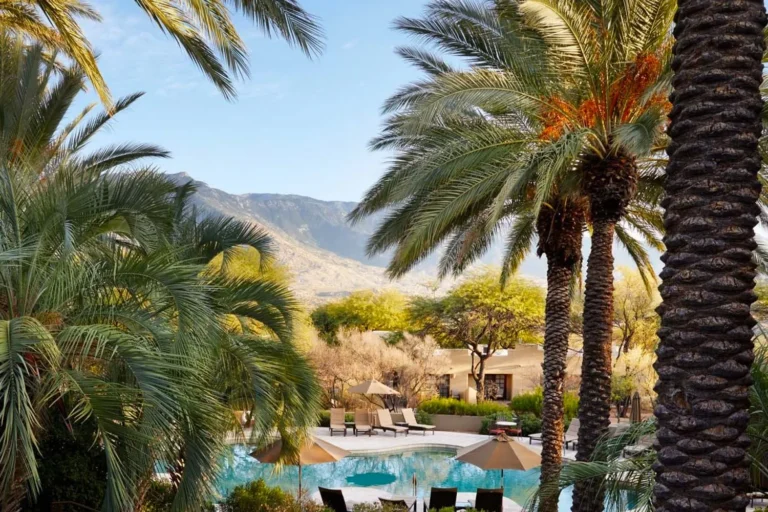
Understanding the geographic distribution of these sanctuaries prevents unmet expectations. The Sonoran Desert around Scottsdale and Tucson features iconic saguaro cacti and moderate winter temperatures. The Mojave Desert near Palm Springs provides historic mineral springs and proximity to major West Coast hubs. Meanwhile, the high desert of Sedona and Southern Utah offers dramatic red rock topography and a focus on outdoor adventure. Each region dictates the style of relaxation and physical activity available to guests.
Deep Contextual Background
The evolution of modern desert sanctuaries in the United States traces back to indigenous traditions. Long before European settlers arrived, native tribes recognized the therapeutic value of the region’s thermal springs and mud deposits. The Cahuilla people of the Coachella Valley and the Yavapai-Apache of Arizona utilized these natural resources for physical healing and communal rituals. They understood that the harsh arid climate demanded specific practices to maintain bodily equilibrium.
The Rise of Sanitariums and Health Tourism
In the late nineteenth and early twentieth centuries, the American Southwest became a hub for health tourism. Physicians routinely prescribed the arid climate to patients suffering from respiratory ailments like tuberculosis. The combination of dry air, high elevation, and consistent sunshine served as a primitive form of clinical therapy. Historic properties often began as sanitariums or rustic ranches where guests stayed for months to recover their health. This period established the region’s reputation as a place of physical transformation.
Mid-Century Glamour and Leisure
The mid-twentieth century brought a dramatic shift in how the public viewed desert destinations. The expansion of rail travel and the rise of commercial aviation made places like Palm Springs accessible to affluent travelers. Wellness shifted from a medical necessity to a luxury lifestyle choice. Properties began combining therapeutic treatments with elite recreation like golf and tennis. This era introduced iconic mid-century modern architecture to the desert, creating a design language that still influences contemporary luxury resorts.
The Shift to Holistic and Integrated Wellness
In the final decades of the twentieth century, pioneers like Canyon Ranch in Tucson redefined the industry. They moved away from simple pampering toward integrated health programs. These retreats brought together physicians, exercise physiologists, nutritionists, and behavioral therapists under one roof. The desert environment transitioned from a scenic backdrop to an active canvas for comprehensive lifestyle intervention. Today, premier properties balance luxury hospitality with rigorous, evidence-based wellness protocols.
Conceptual Frameworks and Mental Models
To evaluate the elite wellness options across the American Southwest, consumers can utilize specific conceptual frameworks. These models help categorize properties based on their core operational philosophies. They also reveal the built-in trade-offs of each approach.
The Clinical-Holistic Continuum
This model places properties along an axis. One end represents strict clinical wellness, while the other represents holistic, unstructured relaxation.
Clinical retreats rely on biometric testing, calorie-controlled dining, and mandatory fitness schedules. They excel at kick-starting major lifestyle changes but offer limited personal autonomy. Holistic sanctuaries prioritize self-directed relaxation, intuitive eating, and spiritual exploration. They provide deep stress relief but lack the structured accountability required for long-term health overhauls.
The Ecological Integration Scale
This framework measures how deeply a property integrates with its natural surroundings. Low-integration properties are essentially standard luxury hotels placed in an arid setting. They feature manicured lawns, imported tropical plants, and standard spa menus. High-integration properties use native landscaping, passive solar architecture, and treatments derived from local ecology. High integration provides an authentic, place-based experience but requires guests to adapt to the realities of the desert environment, including heat and wildlife.
The Active-Passive Recovery Model
Sanctuaries typically design their guest experiences around either active or passive recovery. Active recovery properties emphasize hiking, rock climbing, mountain biking, and outdoor yoga. They use physical exertion in nature to stimulate neurological health and physical fitness. Passive recovery properties focus on hydrotherapy, bodywork, meditation, and sound baths. They aim to down-regulate the nervous system through stillness. Most top-tier destinations offer elements of both, but their marketing and infrastructure usually lean heavily toward one side.
Key Categories and Geographic Variations
The market for high-end wellness in the American Southwest splits into several distinct operational categories. Each category serves a different primary objective and carries specific operational constraints.
Destination Wellness Resorts
These are all-inclusive enclaves where wellness is the sole focus of the property. Guests usually book multi-day packages that include all meals, lectures, fitness classes, and a selection of spa treatments. The environment is highly controlled, often restricting alcohol use and public device consumption. These resorts are ideal for individuals seeking immersion without the distractions of standard resort life.
Mineral and Thermal Hot Springs RETREATS
Centered around natural geothermal waters, these properties prioritize hydrotherapy. The mineral content of the water varies by location, often containing lithium, sulfur, iron, and magnesium. The primary therapeutic mechanism is soaking, supplemented by mud wraps and contrast bathing. These properties lean toward historical and bohemian aesthetics, though several ultra-luxury variations exist.
Luxury Resort Spas
These properties are high-end hotels that feature world-class spa facilities as an amenity rather than the primary focus. Guests can spend their mornings in the spa and their afternoons golfing, dining at fine restaurants, or attending business conferences. They offer maximum flexibility and premium comfort, making them popular for couples or groups with diverse interests. However, they lack the immersive wellness culture found at dedicated destination resorts.
Adventure-Centric Wellness Outposts
Located in rugged areas like Sedona or Southern Utah, these outposts combine luxury accommodations with intense outdoor recreation. Wellness programming emphasizes wilderness survival, guided backcountry hiking, and mindfulness practice in extreme terrain. The spa facilities focus heavily on sports massage, joint recovery, and muscle rehabilitation to support physical performance.
Comparative Evaluation of Wellness Property Categories
The table below outlines the core differences across these primary categories to assist in high-level sorting.
Realistic Decision Logic
Navigating these categories requires honest self-assessment. A traveler seeking to break an unhealthy relationship with food or alcohol will likely fail at a luxury resort spa where craft cocktails are served poolside. Conversely, someone looking for a romantic getaway with casual massage sessions will feel restricted by the mandatory wake-up calls and wellness lectures of a true destination resort.
Detailed Real-World Scenarios
To demonstrate how these categories function in practice, we can analyze several realistic guest profiles. These scenarios highlight the decision points, hidden constraints, and second-order effects of choosing specific desert properties.
Scenario A: Executive Burnout and Nervous System Crash
A high-ranking executive faces chronic sleep deprivation and cognitive fatigue. They seek a retreat to restore focus and lower cortisol levels.
-
Analysis: The individual initially considers an adventure outfitter in Utah, believing physical challenge will clear their mind. However, their baseline cortisol is already elevated. Adding strenuous hiking in high heat could trigger extreme physical exhaustion or injury.
-
Recommendation: A passive-recovery, mineral-rich hot springs property in the Mojave Desert provides a safer environment. The high lithium content of the natural springs acts as a mild mood stabilizer, while the warm climate encourages physical stillness.
-
Second-Order Effects: The lack of structured scheduling forces the guest to confront mental downtime. This often induces initial anxiety before deep relaxation sets in.
Scenario B: Post-Injury Athletic Rehabilitation
An amateur marathon runner seeks a destination to recover from a knee injury and rebuild core strength.
-
Analysis: A standard luxury resort spa in Scottsdale offers excellent massage options, but their therapists are often trained in general relaxation rather than clinical sports medicine. The fitness centers are designed for casual workouts, lacking specialized rehabilitation gear.
-
Recommendation: A dedicated destination wellness resort in the Tucson desert provides access to exercise physiologists and physical therapists. They can perform gait analysis and create targeted aquatic therapy routines in low-impact pools.
-
Second-Order Effects: The guest must adhere to a strict diet and movement plan, eliminating the standard indulgence associated with a typical desert vacation.
Scenario C: Solo Traveler Seeking Transitional Clarity
An individual navigating a major life transition, such as a career pivot or personal loss, seeks solitude and emotional processing space.
-
Analysis: Booking a massive resort can exacerbate feelings of isolation, as the guest is surrounded by vacationing families and corporate groups.
-
Recommendation: A small, high-integration boutique spa in Sedona’s Boynton Canyon matches this need. The intimate scale of the property fosters safety, while the dramatic topography provides a powerful setting for daily self-reflection.
-
Second-Order Effects: Exposure to holistic modalities like sound healing or breathwork may challenge the guest’s conventional perspectives, requiring post-trip integration time.
Planning, Cost, and Resource Dynamics
A stay at the premier desert sanctuaries requires substantial financial investment and meticulous logistical planning. Understanding the full cost structure prevents unexpected expenses from disrupting the wellness experience.
Direct vs. Indirect Expenditures
The baseline room rate is rarely the final cost of a high-end spa stay. Destination resorts often operate on all-inclusive models, but premium therapies like medical diagnostics, private sessions, and specialized bodywork incur additional fees. At luxury resort spas, meals, service charges, and facility fees are billed a la carte. This can quickly double the initial budget.
Seasonality and Climate Pricing
The desert hospitality market is highly seasonal. Peak season runs from late October through April, when daytime temperatures hover between sixty and eighty degrees Fahrenheit. During this window, room rates hit their maximum. The shoulder seasons of May and September offer a balance of lower costs and manageable heat. The summer months bring extreme temperatures exceeding one hundred degrees. While room rates drop significantly, outdoor activities are limited to early morning hours, altering the value proposition.
Cost and Resource Expectation Matrix
The following table provides a realistic projection of investments required for a typical five-night stay across different tiers of the market.
Tools, Strategies, and Support Systems
Maximizing the value of a high-end desert wellness trip requires intentional preparation. Guests should approach their stay with a clear strategy rather than arriving raw.
Pre-Arrival Alignment Protocols
Many top properties send intake questionnaires weeks before arrival. Treating these forms as administrative chores is a mistake. Accurate reporting of diet, sleep patterns, and medical history allows the property’s coordinators to build an optimized itinerary. Guests should adjust their sleep schedules toward the destination’s time zone three days prior to departure to avoid wasting initial days on jet lag.
Strategic Itinerary Design
The temptation at all-inclusive resorts is to over-schedule. Booking back-to-back fitness classes, lectures, and massages creates an artificial rush that mimics the stress of daily work life. A superior strategy limits scheduled blocks to two activities per day. This leaves open windows for spontaneous rest, hydration, and mental processing.
Managing Digital Connectivity
The best desert spas in the us often enforce device-free zones in public spaces. Guests should establish an auto-response email protocol before checking in. Informing professional and personal networks of total unavailability eliminates the urge to check notifications during recovery blocks.
Risk Landscape and Failure Modes
While wellness travel is generally safe, entering an extreme environment like the desert introduces specific risks. Failure to respect these variables can lead to medical emergencies or a wasted financial investment.
Environmental Dehydration and Electrolyte Depletion
The low humidity of the desert accelerates moisture loss through respiration and sweat. Because sweat evaporates instantly in dry air, travelers often fail to realize how much water they are losing. Drinking plain water in large quantities can dilute blood sodium levels, leading to hyponatremia.
Thermal Shock from Contrast Therapies
Many desert sanctuaries emphasize contrast bathing, moving guests between hot mineral pools and ice baths. While excellent for circulation, this practice places sudden stress on the cardiovascular system. Individuals with underlying blood pressure issues or cardiac irregularities can experience dizziness, fainting, or dangerous heart arrhythmias if they bypass medical clearance.
The Rebound Stress Effect
When an individual moves immediately from a high-stress corporate environment into total isolation, the nervous system can experience a rebound effect. Without the familiar hit of adrenaline and cortisol, the body’s immune system sometimes drops its defenses. This can manifest as sudden fatigue, headaches, or mild digestive issues during the first forty-eight hours of a retreat.
Governance, Maintenance, and Long-Term Adaptation
The value of a premium spa experience depends heavily on how well the benefits are maintained after returning home. Without an integration plan, the sense of renewal gained in the desert evaporates within days of re-entering urban life.
Establishing Post-Retreat Governance
Guests should view their resort experience as a testing ground for sustainable habits. If a specific meditation practice or dietary change proved successful during the stay, it needs a dedicated slot in the daily calendar at home. This transition requires active boundary management, such as protecting the first thirty minutes of the morning from digital input.
Layered Re-Entry Checklist
To protect the investment made in physical and mental health, travelers can follow a structured re-entry protocol during their final twenty-four hours on-site and first week home.
-
Phase 1: The Departure Window (Last 24 Hours On-Site)
-
Review treatment notes and write down key insights from practitioners.
-
Schedule a final, low-intensity integration session, such as a gentle stretch or sound bath.
-
Finalize professional out-of-office transitions to prevent a chaotic arrival home.
-
-
Phase 2: The Re-Entry Buffer (First 48 Hours Home)
-
Keep the first weekend or evening free from major social commitments.
-
Replicate the resort’s sleep schedule by turning off screens ninety minutes before bed.
-
Prepare simple, nutrient-dense meals that mirror the clean dining protocols.
-
-
Phase 3: Long-Term Integration (Weeks 2–4)
-
Schedule a review session with an outpatient therapist or health coach to maintain momentum.
-
Assess tracking data to confirm if biometric improvements are holding under daily stress.
-
Measurement, Tracking, and Evaluation
Evaluating the success of a wellness retreat requires monitoring both subjective feelings and objective data. Relying purely on mood can be deceptive, as vacation relaxation naturally fades.
Quantitative Biometric Tracking
Modern wellness properties often utilize advanced diagnostic tools to measure baseline health. Guests can continue tracking these metrics using consumer wearables to quantify the long-term impact of their stay.
-
Heart Rate Variability (HRV): A higher HRV indicates a resilient, well-regulated autonomic nervous system. Tracking this metric over a month reveals whether the retreat helped lower systemic stress.
-
Resting Heart Rate (RHR): A consistent drop in RHR during and after the stay confirms cardiovascular recovery and reduced sympathetic nervous system activity.
-
Sleep Architecture: Monitoring the depth and duration of slow-wave and REM sleep cycles provides concrete evidence of neurological restoration.
Qualitative Signals of Success
Beyond data points, specific shifts in behavioral patterns indicate a successful intervention. These include increased patience during daily frustrations, improved cognitive focus during complex tasks, and a reduced craving for inflammatory foods or stimulants. Documenting these shifts in a journal during the weeks following the trip prevents a slow drift back into toxic baseline behaviors.
Common Misconceptions and Oversimplifications
The marketing narratives surrounding desert wellness retreats have generated several persistent myths. Dispelling these misunderstandings ensures realistic expectations.
Myth 1: Heat Equates to Detoxification
Many consumers believe that sweating profusely in a dry sauna or during a hot yoga session expels heavy metals and toxins from the body. In reality, the liver and kidneys handle detoxification. Sweating serves primarily to regulate core body temperature. While saunas offer excellent cardiovascular and muscular benefits, they are not a shortcut to cleansing the system of metabolic waste.
Myth 2: All Hot Springs Are Geographically Pure
The assumption that every mineral pool at a desert resort bubbles directly from an untouched underground aquifer is inaccurate. Some properties do possess historic, deep-well springs. Others use standard municipal water that is heated mechanically and augmented with mineral salts. Travelers seeking authentic geothermal therapy must explicitly verify the source geology of the property’s water supply.
Myth 3: Spiritual Experiences Require Specific Geographic Vortexes
The commercialization of regions like Sedona focuses heavily on energy vortexes. While the dramatic iron-rich red rocks provide a stunning visual environment, the psychological benefits of a retreat stem from isolation, silence, and intentional mindfulness. Attributing therapeutic success solely to invisible geological anomalies oversimplifies the profound impact of intentional environment design and professional psychological guidance.
Ethical and Practical Considerations
The development of luxury wellness properties in arid regions introduces complex environmental and cultural realities. Discerning travelers should understand these dynamics to make informed choices.
Water Scarcity and Resource Allocation
The best desert spas in the us operate within fragile ecosystems facing long-term drought conditions. Maintaining expansive hydrotherapy circuits, swimming pools, and irrigated green lawns requires significant water resources. Elite properties address this through advanced engineering, such as graywater recycling for native landscaping and covered pools that minimize evaporation. Supporting destinations that practice rigorous resource stewardship protects the local environment.
Cultural Appropriation vs. Respectful Engagement
Many spa treatments draw inspiration from Native American rituals, utilizing smudging ceremonies, sweat lodges, and indigenous botanicals. When executed poorly, these practices border on superficial commercial exploitation. The premier properties hire native cultural specialists, pay royalties to local tribal foundations, and educate guests on the true historical context of the therapies. This approach preserves the integrity of the traditions while supporting indigenous communities.
Conclusion
Selecting an elite desert spa requires balancing your health goals with the realities of the environment. The American Southwest provides a powerful setting for physical and mental recovery, provided you choose a property that matches your specific needs. Whether you seek the structure of a clinical destination, the hydrotherapy of a thermal spring, or the freedom of a luxury resort, the key to success lies in preparation and long-term integration. By understanding the operational structures, financial investments, and ecological impacts of these properties, travelers can transform a simple vacation into a lasting foundation for systemic health.