Guide to the Top Private Islands in the US: Operations and Logistics
The acquisition and operational stewardship of isolated landmasses within American territorial waters represent a unique intersection of high-value real estate and complex infrastructure engineering. For decades, the desire for geographical isolation has driven ultra-high-net-worth individuals, family offices, and conservation syndicates to look beyond traditional mainland estates. The allure of complete autonomy over a bounded ecosystem introduces unprecedented legal, environmental, and structural challenges. These properties are completely distinct from high-end master-planned coastal developments. Every square foot of an isolated island requires direct, intentional utility design and resource management.
The market for these distinct properties has transitioned from informal family legacies to institutional-grade transactions. This shift has been accelerated by an increasing demand for absolute privacy, ecological security, and long-term asset diversification. Evaluating these complex holdings requires a systematic approach that looks past lifestyle marketing narratives. True asset value cannot be determined by natural aesthetics alone. It is shaped by marine access rights, riparian law, coastal jurisdictional overlap, and off-grid resilience.
A thorough analysis of these properties reveals a complex web of overlapping regulatory frameworks and geographical realities. From the glacial archipelagos of the Pacific Northwest to the subtropical keys of the Atlantic seaboard, each region presents distinct operational parameters. This document establishes an objective reference framework for assessing the structural, logistical, and legal dynamics that govern premium independent islands.
Understanding “top private islands in the us”
The Parameters of True Island Independence
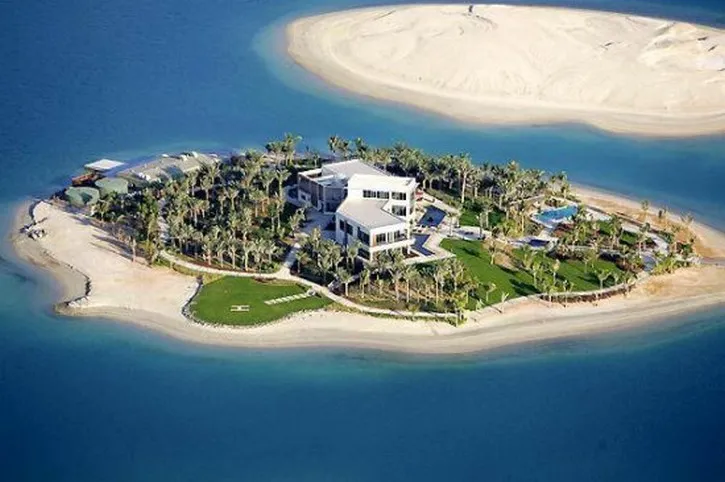
The classification of an asset within the ecosystem of the top private islands in the us requires precise structural and legal definitions. A common misunderstanding within real estate analysis is the conflation of connected coastal peninsulas or bridged cays with genuine, self-sustaining island properties. The broader consumer market frequently applies the “private island” label to any luxury coastal estate featuring a gated causeway or a private marshland boardwalk. In reality, a true private island asset is defined by complete geographic separation, unshared maritime access, and independent on-site utility infrastructure.
Properties within this elite asset class must be evaluated through their capacity for absolute resource independence. This operational requirement becomes apparent when municipal power, water, and waste lines are completely absent. When an island relies on a continuous physical connection to mainland infrastructure, it remains vulnerable to external utility failures. This dependence dilutes the absolute operational autonomy that defines the highest tier of the market.
Navigating Multi-Agency Regulatory Barriers
Oversimplification risks also emerge when analyzing development rights and environmental protections. Independent maritime holdings are subject to extensive regulatory oversight from multiple government bodies. A property cannot achieve long-term security without navigating the overlapping jurisdictions of the U.S. Army Corps of Engineers, state coastal commissions, and local environmental agencies. The top private islands in the us utilize highly integrated infrastructure models. Every dock installation, shoreline stabilization project, and waste-treatment system must be engineered to withstand marine erosion while fully complying with strict conservation mandates.
Furthermore, properties held under leasehold agreements or restricted native titles can introduce significant operational complications. These structures often feature hidden usage limitations that restrict structural modification or hinder capital deployment. Elite island assets prioritize clear fee-simple titles paired with established riparian rights. This legal clarity allows owners to retain complete creative and operational control over their marine infrastructure, avoiding the risks of shifting municipal maritime policies.
Deep Contextual Background

The Gilded Age Legacy of Maritime Privacy
The modern landscape of American private island ownership developed as a direct reaction to the rapid urbanization and industrialization of the Gilded Age. During the late 19th and early 20th centuries, industrial leaders sought refuge from crowded metropolitan centers. They began acquiring entire islands in regions like upstate New York’s Thousand Islands, the Maine coastline, and the Georgia Sea Islands. These early estates were designed as self-contained seasonal compounds, featuring sprawling stone lodges, massive boathouses, and complex coal-fired heating plants.
By the mid-20th century, the operational realities of these properties shifted significantly due to rising labor costs and the introduction of modern environmental regulations. The historic reliance on large, live-in support crews became financially unsustainable for many legacy families. This transformation forced a pivot toward mechanical automation and advanced engineering solutions. The introduction of reliable diesel generators, early desalinization systems, and advanced hull designs for transport vessels allowed these remote estates to reduce their dependence on massive on-site workforces.
The Shift to Institutional Ecological Modernism
The concept evolved rapidly over the next four decades, moving far beyond basic rustic retreats. The definition of a premier island asset expanded to include high-speed satellite connectivity, sophisticated solar-battery microgrids, and self-contained wastewater treatment systems. In major maritime zones like the Florida Keys and the San Juan Archipelago, private ownership structures adapted to navigate increasingly strict environmental protections, such as the Clean Water Act and Coastal Zone Management frameworks.
This evolution generated complex financial and technical dynamics. Institutional family offices and conservation trusts recognized the unique value of properties that successfully blend pristine natural habits with advanced off-grid technology. This trend brought professional project management into a sector previously dominated by uncoordinated private contractors. The current market requires a careful balance, where operators must protect the fragile marine ecosystem while maintaining five-star residential capabilities.
Conceptual Frameworks and Mental Models
Analyzing the most successful private island assets requires clear conceptual frameworks. These models explain how an isolated landmass generates sustained functional and financial value without compromising security or ecological balance.
The Closed-Loop Resource Resilience Model
This framework views the island asset not as a standard real estate consumer, but as an isolated, self-sustaining utility node. The property operates by balancing energy production, water generation, and waste processing within a closed loop.
-
Application: The island utilizes a customized solar-hydrogen microgrid paired with reverse-osmosis water generation, ensuring the property operates indefinitely without relying on mainland supply chains.
-
Limitation: This model demands substantial upfront capital allocation for mechanical redundancy and requires highly technical maintenance staff, which increases ongoing fixed operational costs.
The Dynamic Shoreline Protection Framework
This model treats the marine boundary as an active, evolving shield rather than a static property line. The infrastructure is designed to adapt to wave energy, tidal shifts, and long-term sea-level variations.
-
Application: Operators build living shorelines that combine native marine vegetation with engineered breakwaters, reducing wave impact while preserving the natural beach ecosystem.
-
Limitation: This framework requires extensive environmental impact studies and multi-year permitting timelines through state coastal management offices.
The Tiered Logistical Access Model
This model replaces standard transport planning with a multi-layered, weather-adaptive access matrix. The infrastructure ensures continuous supply chain movement and medical evacuation capability across varying sea states.
-
Application: Properties feature a combination of deep-water docks for heavy cargo barges, secondary floating docks for high-speed tenders, and an FAA-compliant helipad for all-weather access.
-
Limitation: This approach requires continuous maintenance of marine vessels and helicopter landing zones, which increases liability insurance premiums.
Key Categories or Variations
The American private island market includes several distinct categories across different geographical regions. Each type operates under specific environmental parameters and addresses clear ownership goals. Understanding these regional differences is essential for evaluating the top private islands in the us.
Subtropical Barrier Keys
These islands are located in regions like Florida or the Gulf Coast, featuring sand-beach shorelines and mangrove ecosystems. They offer immediate access to deep-water fishing and warm climates, but face extreme hurricane risks and require extensive corrosion-resistant building materials.
Pacific Northwest Glacial Islets
Situated in areas like Washington’s San Juan Islands, these properties feature rocky shorelines, dense evergreen canopies, and cold waters. They provide exceptional structural stability and abundant freshwater springs, though they operate under strict timber-preservation and marine-mammal protection codes.
Northeast Historic Archipelagos
Located in regions like Maine or the St. Lawrence River, these destinations feature granite foundations and historic Gilded Age stone masonry. They boast high cultural heritage and excellent summer climate conditions, but face severe winter freeze challenges and require complex seasonal closing protocols.
Mid-Atlantic Estuary Landmasses
These properties are found within major bay systems like the Chesapeake, characterized by low elevations and marshland borders. They offer exceptional waterfowl privacy and proximity to major metropolitan centers, though they deal with severe silt accumulation and require regular access-channel dredging.
Comparative Structural Matrix
Decision Logic for Regional Asset Selection
Selecting the right island asset requires matching long-term development plans with regional environmental realities. An owner seeking year-round residency and immediate deep-water yacht access should focus on subtropical barrier keys. These assets leverage warm winter climates to maintain consistent usability, though they require building materials capable of resisting salt-water corrosion and high-velocity wind events.
Conversely, buyers focused on timber privacy and long-term geological stability often look to Pacific Northwest glacial islets. These projects require complex multi-year permitting timelines for any shoreline modification due to strict marine mammal protection laws. However, their solid bedrock foundations and reliable freshwater aquifers provide an enduring security model that low-lying coastal formations cannot match.
Detailed Real-World Scenarios
To understand the operational and engineering realities of the top private islands in the us, we can analyze specific scenario archetypes. These examples highlight the complex choices required to maintain property value and ensure resident safety.
Scenario 1: The Subtropical Key Hurricane Resiliency Retrofit
An investment syndicate acquires an 80-acre low-lying cay in the Florida Straits with the intention of creating a multi-generational family compound.
-
Constraints: The island is located inside a national marine sanctuary, prohibiting the use of traditional concrete seawalls or heavy dredging machinery.
-
Decision Points: Engineers design all structures to sit on elevated helical steel pilings driven directly into the underlying limestone. They also choose a solar-battery microgrid over underwater power cables to avoid seafloor disruption.
-
Failure Modes: A Category 4 hurricane causes a ten-foot storm surge that submerges the primary reverse-osmosis intake pumps, which were mounted too close to sea level.
-
Second-Order Effects: The reliance on elevated architecture preserves natural sand movement across the key. This environmental care prevents beach erosion and secures fast-tracked approval for future guest pavilion permits from the state coastal commission.
Scenario 2: The Logistical Isolate Transformation in the Pacific Northwest
A private tech entrepreneur purchases a rugged, unpopulated 45-acre island in the Puget Sound to serve as a secure, off-grid estate.
-
Constraints: The island lacks freshwater springs and features vertical granite bluffs that complicate marine vessel docking.
-
Decision Points: The owner builds a sophisticated rainwater harvesting system utilizing the main estate’s roof footprint, storing the water in underground cisterns. They also cut a recessed marine slip directly into a natural rock cleft, installing an articulating floating dock system.
-
Failure Modes: Extreme winter windstorms down multiple old-growth fir trees, which crush the main satellite uplink dish and cut off communications for forty-eight hours.
-
Second-Order Effects: The creation of a secure, recessed dock allows for year-round supply deliveries regardless of turbulent sound conditions. This logistical reliability stabilizes ongoing operational costs by avoiding emergency helicopter transport fees.
Planning, Cost, and Resource Dynamics
Operating within the upper tier of the top private islands in the us requires unique financial frameworks. Independent island properties lack the shared infrastructure models of mainland developments. The cost of generating power, processing waste, and moving materials across water represents a continuous capital commitment that persists regardless of property occupancy.
Bespoke marine-grade mechanical systems, desalinization networks, and advanced battery storage banks represent major capital expenses. A premier private island avoids standard commercial hardware. Instead, operators install industrial-grade systems designed to handle the corrosive marine environment. This strategy protects infrastructure longevity but inflates upfront development budgets.
Direct costs are also heavily shaped by transport logistics. Moving building materials, fuel, and personnel across water requires a dedicated fleet of support vessels and licensed captains. This labor-intensive model increases fixed overhead costs, leaving the property vulnerable to fluctuating fuel prices and maritime labor shortages.
Capital Allocation and Infrastructure Pro-Forma Variance
Hidden Infrastructure Metrics and Asset Value
The true financial challenge for independent island owners lies in the maintenance of marine access points. Docks, piers, and boat lifts are exposed to continuous wave action, tidal cycles, and marine wood-boring organisms.
A mainland estate owner can delay driveway repairs without impacting property access. An island operator must continuously audit and maintain their marine docks to prevent structural collapses that could halt all supply chain movements. This rigorous maintenance approach protects primary access routes but requires higher ongoing capital reserves.
Tools, Strategies, and Support Systems
Independent island operators must build custom technology stacks and professional networks to manage logistical risk and optimize resource generation.
1. Supervisory Control and Data Acquisition (SCADA) Systems
Modern platforms provide cloud-based tracking of solar array yields, battery storage degradation, and diesel generator run times. These tools allow estate managers to monitor and balance the island’s energy production using mobile devices from anywhere on the property.
2. Professional Marine Engineering Alliances
Partnerships with certified marine engineering firms and environmental consultants offer owners essential regulatory guidance. These experts ensure all shoreline modifications comply with shifting state and federal coastal protections.
3. Industrial Reverse-Osmosis Desalinization Units
Boutique operators utilize titanium-component desalinization systems designed by systems like Sea Recovery. These setups feature automated membrane back-flushing protocols that reduce mineral buildup and extend system lifetimes in challenging marine conditions.
4. Terrestrial Laser Scanning and LiDAR Arrays
Estates implement localized LiDAR scanning programs to record seasonal shoreline variations and beach movement. This data allows engineers to identify erosion hotspots early, directing breakwater adjustments before structural damage occurs.
Risk Landscape and Failure Modes
The primary operational risk for a premium private island is supply chain disruption. When a property relies too heavily on frequent mainland deliveries without maintaining on-site reserves, severe weather events can quickly cause resource shortages. This vulnerability can compromise resident safety during extended storms.
Another common failure mode is poor fuel management. While renewable solar-battery arrays serve as primary power sources, backup diesel generators are essential during extended periods of overcast weather. If an operator fails to monitor fuel stability or neglects fuel polish protocols, generators can fail when needed most.
Furthermore, island properties are highly vulnerable to changing environmental regulations. A sudden expansion of protected marine habitats or critical avian nesting zones can restrict existing development rights. Independent owners must monitor local conservation policies continuously to protect their land-use permissions from regulatory updates.
Governance, Maintenance, and Long-Term Adaptation
Preserving the long-term asset value of a premier private island requires disciplined operational oversight. Management must implement strict auditing schedules to ensure all off-grid facilities remain safe and functional over time.
Bi-Weekly Cathodic Protection Audits
Every fourteen days, the engineering team should inspect the sacrificial anodes on all steel dock pilings and boat lifts. This process monitors galvanic corrosion, ensuring the island’s primary marine entry points remain structurally sound.
Bi-Annual Battery Bank Balance Reviews
Facility managers must coordinate thorough voltage and thermal evaluations for every cell within the solar storage array twice a year. This systematic review identifies early signs of cell degradation, allowing for targeted replacements before the microgrid’s capacity drops.
Continuous Marine Fuel Stabilization
Management should analyze the condition of all stored diesel fuel reserves quarterly. This practice prevents microbial contamination and water accumulation in bulk storage tanks, ensuring backup generators remain reliable during emergencies.
Island Operational Excellence Framework
-
Quarterly Fuel Profiling: Verify that all bulk diesel inventories match specific purity and stability parameters.
-
Bi-Weekly Anode Inspections: Check and replace sacrificial anodes on marine infrastructure to prevent steel rust.
-
Annual Facility Asset Analysis: Review and update structural elements like seawall footings and helipad lighting networks.
-
Continuous Operator Safety Training: Run regular emergency drills to ensure staff can manage utility failures or medical evacuations smoothly.
Measurement, Tracking, and Evaluation
Evaluating an independent island asset’s performance requires looking beyond traditional real estate valuation models. True operational health is measured through a combination of resource efficiency metrics and structural stability tracking.
While total annual operational expenditures provide lagging feedback, leading indicators offer a clearer picture of infrastructure management quality. A critical metric is the microgrid’s round-trip efficiency index. A healthy, well-calibrated solar-battery network should maintain a round-trip efficiency rate above 82% during peak usage cycles.
Another valuable metric is the ratio of daily water production to total storage capacity. Maintaining high water reserves ensures the island can weather extended equipment downtime without requiring emergency mainland deliveries. This emphasis on resource redundancy remains a primary driver of sustained asset value for properties classified among the top private islands in the us.
Common Misconceptions and Oversimplifications
The private island real estate sector is frequently misunderstood by outside observers and casual investors alike. These myths often distort development expectations and lead to flawed asset acquisitions.
-
The Absolute Autonomy Myth: Believing that island ownership grants exemption from state and federal laws. True island assets operate under extensive oversight from multiple regulatory bodies.
-
The Standard Contractor Fallacy: Assuming any mainland construction firm can execute marine-grade island development. Specialized marine contractors are required for structural longevity.
-
The Single-Generator Error: Treating a single backup generator as sufficient power redundancy. True resilience requires multi-generator synchronization paired with renewable arrays.
-
The Static Beach Illusion: Viewing a sand beach as a permanent asset rather than an evolving, dynamic shoreline that requires continuous monitoring.
-
The Low-Maintenance Assumption: Expecting an unpopulated island to require minimal operational oversight. Off-grid utilities demand consistent, professional maintenance.
-
The Cable-Reliance Trend: Relying on underwater power or communication cables from the mainland. This approach often increases vulnerability to maritime anchor damage and drag incidents.
Ethical, Practical, or Contextual Considerations
The development and long-term management of private island assets introduce important ecological and community responsibilities. When a property owner alters shorelines or installs marine docks, nearby underwater habitats can be significantly impacted. Careless construction practices can damage delicate coral reefs, destroy seagrass beds, and disrupt local fish populations.
Conversely, responsible island stewardship can preserve critical nesting sanctuaries for migratory waterfowl and marine mammals. By restricting public access and limiting development footprints, private owners protect fragile ecosystems from recreational overcrowding. This active conservation work preserves regional biodiversity and helps protect the natural coastal landscapes that define these unique properties.
Operating ethically also requires careful attention to historical and tribal maritime navigation rights. A premier island owner must respect established public waterways and traditional shell-fishing grounds adjacent to their property lines. Responsible operators manage these boundaries with transparency and humility, ensuring the local community retains its historic connection to shared marine resources.
Conclusion
The market position of the top private islands in the us is sustained through advanced utility engineering, disciplined shoreline maintenance, and thorough regulatory compliance. Independent island operations face significant challenges, including complex marine logistics and high infrastructure fixed costs. However, their ability to deliver absolute privacy, security, and true off-grid autonomy allows them to maintain unmatched asset value in the luxury real estate market.
As institutional buyers increasingly prioritize resilience and long-term security over standard mainland estates, the demand for elite island properties will continue to grow. Success in this demanding sector requires an unwavering commitment to environmental stewardship and engineering excellence. By rejecting superficial designs and focusing on the true principles of self-contained utility infrastructure, these premier landmasses offer an enduring connection to the American maritime landscape.