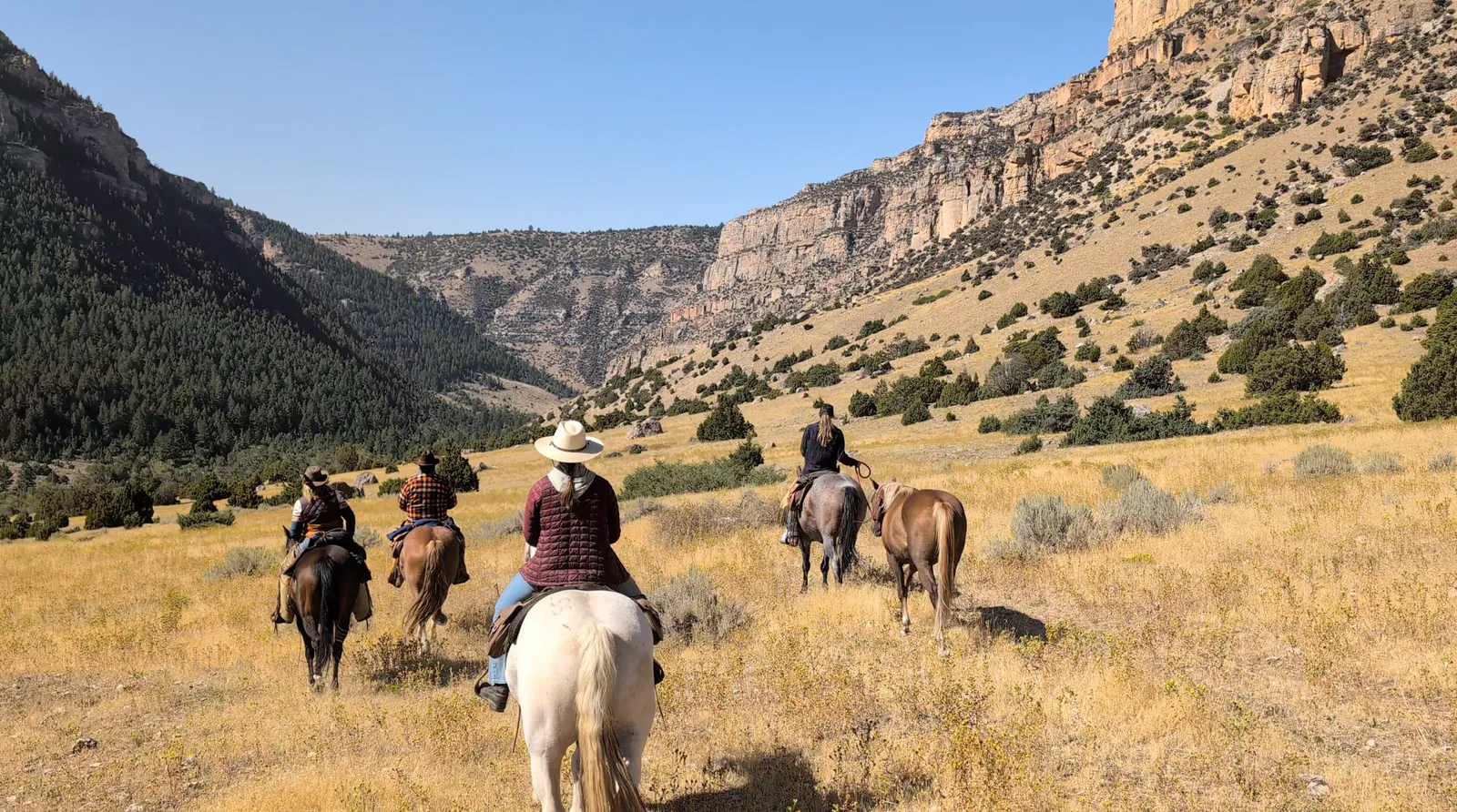
Guide to the Best Equestrian Escapes United States: Luxury and Wilderness
The evolution of destination travel has seen a distinct shift toward experiential specialization. Standard luxury resorts no longer completely satisfy individuals who seek profound, skill-based interactions with the landscape. Within this context, equine-centric travel has transitioned from a niche recreation into a highly sophisticated sector of hospitality. Intellectual luxury in this market is defined by the quality of herd management, the complexity of geographic terrain, and the level of classical horsemanship instruction. These structural elements form the foundation of premium independent equine travel across the country.
The market has responded with an influx of luxury guest ranches, private training enclaves, and specialized foxhunting estates. This rapid expansion makes rigorous, systematic analysis essential. True equine destination differentiation requires deep operational intention. It cannot be achieved through superficial western decor, basic trail rides, or clever marketing narratives. A property must exhibit clear herd health frameworks and distinct regional characteristics to be classified among the best equestrian escapes united states.
Evaluating these premium properties requires an objective, analytical approach. True quality is determined by real property dynamics, pasture rotation methodologies, and horse-to-guest allocation ratios. Superficial metrics like online review scores often fail to capture a property’s actual long-term operational integrity. This analysis provides a definitive framework for understanding the upper tier of the American equine travel market.
Understanding “best equestrian escapes united states”
Defining True Equine Hospitality
The designation of an asset within the ecosystem of the best equestrian escapes united states requires clear parameter setting. A common misunderstanding within hospitality analysis is the conflation of generic trail riding packages with genuine equestrian programming. The consumer market frequently applies the “equestrian escape” label to any resort featuring a small rental stable or a basic nose-to-tail trail concession. In reality, a true equestrian destination is defined by structural herd assets, professional training staff, and diverse regional terrain infrastructure.
Properties in this elite category typically operate with a highly controlled horse-to-guest ratio, often maintaining a minimum baseline of two horses per guest key. This inventory constraint is an operational necessity. It allows the barn management infrastructure to ensure proper rest cycles and prevent physical burnout within the herd. When a destination exceeds safe guest-to-herd capacities, service delivery inevitably shifts toward low-skill, automated trail formations. This transition dilutes the educational, highly individualized equine experience that defines the top tier of the market.
The Pitfalls of Superficial Luxury
Oversimplification risks also emerge when analyzing property design and marketing provenance. Independent equine hospitality assets must be integrated directly into their local environmental and cultural ecosystems. A property cannot achieve authentic equestrian destination status by imposing a superficial luxury aesthetic onto an inadequate equestrian infrastructure. The best equestrian escapes united states utilize functional narrative architecture. Every spatial element, from the ventilation in the indoor arenas to the footing material in the stalls, reflects a deep commitment to equine welfare and rider safety.
Furthermore, soft-branded luxury resorts that outsource their stable operations to third-party operators often complicate this definition. These properties frequently use high-end branding while relying on external vendors who utilize overworked, low-quality herds. True equestrian escapes maintain complete operational and creative independence over their stables. This internal control allows them to prioritize herd longevity, professional instruction, and customized ride formatting over short-term corporate synergy.
Deep Contextual Background
The Post-War Pivot to Recreation
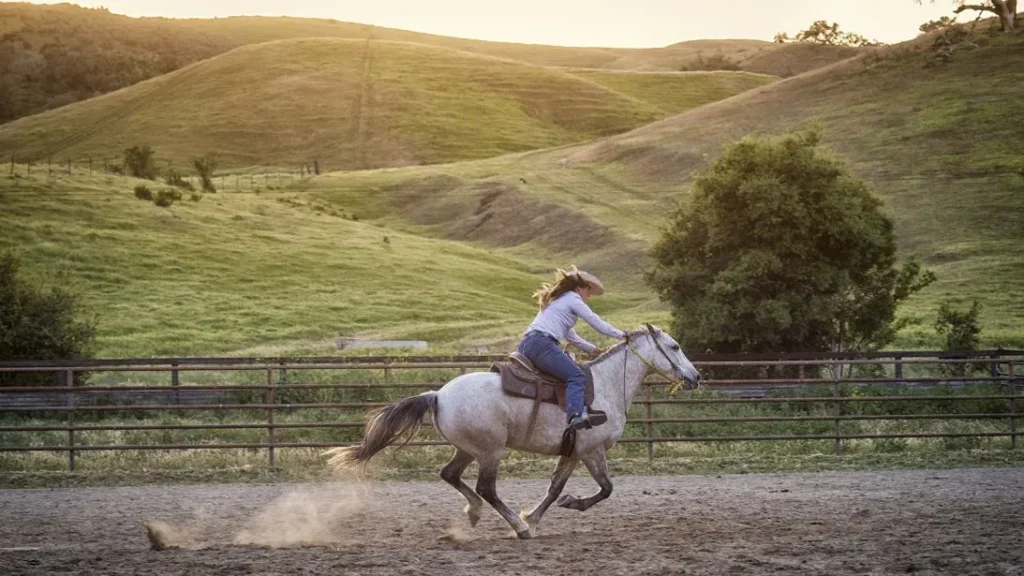
The modern American equestrian travel sector developed as a direct reaction against the industrialization of agriculture and the motorization of ranch work. The mid-20th century saw the rapid replacement of working horses with mechanical tractors and utility vehicles across the country. This systemic shift threatened to diminish the practical relevance of traditional horsemanship skills. However, the post-war era also generated a massive expansion of disposable income and leisure time among the American public.
By the late 1950s, this combination of factors catalyzed the transformation of working cattle ranches into recreational guest destinations, colloquially known as “dude ranches.” Early pioneers in Wyoming, Arizona, and Montana recognized that urban travelers desired an authentic taste of the disappearing Western frontier. These properties focused on providing basic trail rides, rustic accommodations, and communal campfire dining experiences.
The Modern Multi-Discipline Landscape
The concept evolved rapidly over the next four decades, diversifying far beyond the traditional boundaries of the Western guest ranch. The definition of a quality equine escape expanded to include English disciplines, natural horsemanship clinics, and competitive eventing terrain. In regions like the Virginia Piedmont and Central Florida, historic estates were transformed into elite training retreats specializing in dressage, show jumping, and foxhunting culture.
This evolution generated complex institutional and capital dynamics. Real estate investment trusts and high-net-worth individuals recognized the sustained market premiums generated by properties that successfully blend luxury lodging with top-tier equestrian infrastructure. This realization brought institutional capital into a sector previously dominated by small family operations. The current market requires a delicate balancing act, where operators must protect the deep, authentic connection between horse and rider while meeting modern luxury demands.
Conceptual Frameworks and Mental Models
Analyzing the best equestrian escapes united states requires clear conceptual frameworks. These models explain how an independent property generates sustained educational and recreational value without compromising safety or herd health.
The Holistic Herd Integration Model
This framework views the equine herd not as a depreciating machinery asset, but as an active, sensitive partner within the hospitality ecosystem. The property functions by prioritizing behavioral health, species-appropriate socialization, and balanced workloads.
-
Application: The destination structures its daily schedule around herd rest requirements, provides extensive turnout time in multi-horse social groups, and matches horse personalities to guest anxiety levels.
-
Limitation: This model demands a massive land footprint for turnout pastures and requires lower guest density, which inherently limits absolute short-term scaling potential.
The Progressive Skill Acquisition Framework
This model structures the guest’s stay as a sequential educational journey rather than a series of repetitive, static trail loops. The itinerary is designed around measurable milestones in equitation and behavioral understanding.
-
Application: Guests begin with ground-work evaluations to understand equine body language. This moves to controlled arena mechanics before progressing to challenging, variable-terrain backcountry navigation.
-
Limitation: This framework requires high emotional intelligence and formal certification from the instructional staff, making recruitment more difficult and expensive.
The Biome-Specific Terrain Adaptability Model
This model leverages the unique geographic and ecological attributes of the host region to dictate the style and intensity of the equestrian experience. The terrain functions as a primary instructional tool.
-
Application: Southwestern properties utilize rocky canyons to teach precise, slow-speed balance and hoof placement. Meanwhile, Montana destinations use massive elevation shifts to instruct riders on weight distribution during steep ascents and descents.
-
Limitation: This model requires continuous environmental monitoring and strict trail maintenance protocols to prevent ecological erosion and joint stress within the herd.
Key Categories or Variations
The premium equine lodging landscape includes several distinct categories across different biomes. Each type operates under specific environmental constraints and addresses clear consumer preferences. Understanding these structural differences is essential for evaluating the best equestrian escapes united states.
Historic Western Working Ranches
These properties combine cattle operations with guest hospitality, offering travelers an authentic taste of historic rangeland management. They thrive on vast acreage and deep cultural heritage but present higher physical risks and require variable, labor-intensive daily schedules.
Ultra-Luxury Wilderness Resorts
Located in pristine environments like Western Montana or the Colorado Rockies, these retreats pair Forbes-tier accommodations with elite stables. They command exceptional average daily rates but face major seasonal demand swings and high capital equipment costs.
Classical English Discipline Enclaves
Situated primarily in traditional horse countries like Virginia, Kentucky, or Ocala, Florida, these destinations focus on dressage, show jumping, and cross-country training. They benefit from world-class arena infrastructure but require highly specialized, expensive bloodlines.
Wilderness Pack-Trip Outfitters
Operating under federal wilderness permits in deep backcountry zones, these outfitters provide mobile, off-the-grid tent camping experiences. They offer unparalleled access to pristine landscapes though they require extreme logistical coordination and involve significant physical isolation.
Comparative Structural Matrix
Decision Logic for Segment Selection
Selecting the right equestrian destination requires matching personal riding proficiency with specific educational goals. A competitive rider looking to refine their posture and seat mechanics should target classical English discipline enclaves. These assets leverage specialized training mirrors and high-end warmblood herds to deliver precise, technical performance gains.
Conversely, travelers focused on developing practical navigation skills and horse-to-human trust often look to luxury wilderness resorts or backcountry outfitters. These experiences demand higher physical stamina and adaptability to weather variations. However, the immersion in wild landscapes provides a deep sense of psychological decompression that structured arena training cannot replicate.
Detailed Real-World Scenarios
To understand the operational and safety realities of the best equestrian escapes united states, we can analyze specific scenario archetypes. These examples highlight the complex balancing acts required to maintain guest safety and animal welfare.
Scenario 1: The Mountain Backcountry Ascent Transformation
An ultra-luxury Montana resort designs a specialized four-day alpine trail program. The goal is to take intermediate riders through steep elevation shifts up to 9,000 feet.
-
Constraints: The route navigates narrow ridge trails within a national forest, subject to sudden afternoon lightning storms and wildlife encounters.
-
Decision Points: Management mandates that all riders pass a mechanical arena evaluation before departure. They also deploy a pack-mule train to carry emergency supplies, leaving the guest horses unburdened by heavy gear.
-
Failure Modes: A sudden temperature drop causes a guest’s muscles to seize, preventing them from maintaining a secure seat on a steep downhill descent.
-
Second-Order Effects: The implementation of a strict pre-ride screening program reduces trail incidents by 40%. This success lowers the property’s general liability insurance premiums over time.
Scenario 2: The Desert Horsemanship Clinic Realization
A historic Arizona ranch hosts an intensive seven-day natural horsemanship clinic during the winter season. The program focuses on subtle body language communication.
-
Constraints: The daily temperature fluctuates by forty degrees Fahrenheit between dawn and mid-afternoon, causing changes in both human stamina and horse behavior.
-
Decision Points: Instructors split the daily sessions into early morning ground work and late afternoon trail rides. This structure avoids the intense midday heat and allows the herd to rest during peak temperature spikes.
-
Failure Modes: A novice guest misinterprets an anxious horse’s ear positioning, leading to a minor crowding incident during a loose-pen sorting exercise.
-
Second-Order Effects: The deep educational focus appeals strongly to solo travelers. This dynamic creates a loyal community base that drives a 75% repeat booking rate for the winter season.
Planning, Cost, and Resource Dynamics
Operating within the upper tier of the best equestrian escapes united states requires unique financial structures. Independent equine destinations lack the generic, low-overhead models of standard resorts. The cost of maintaining a living, working herd represents a massive, continuous capital commitment that persists regardless of seasonal occupancy fluctuations.
Bespoke veterinary care, specialized shoeing, and customized nutrition plans represent major operational expenses. A premier equestrian property avoids generic feed and boilerplate hoof management. Instead, operators retain specialized farriers and equine nutritionists to manage each horse’s physical balance. This approach protects herd longevity but inflates upfront operational budgets.
Direct costs are also heavily shaped by staffing structures. Maintaining high safety standards requires a dedicated team of wranglers, trainers, and barn managers. This labor-intensive model increases fixed overhead costs, leaving the property vulnerable during sudden travel market downturns.
Cost Dynamics and Operational Pro-Forma Variance
Hidden Infrastructure Metrics and Asset Value
The true financial challenge for independent equine properties lies in the arena and trail infrastructure. Arenas require specialized multi-layer footing materials composed of precise sand, microfiber, and geometric fabric blends.
A chain resort can ignore subtle ground compaction issues on a walking path. An equestrian destination must continuously groom and renovate its arenas to prevent catastrophic tendon injuries within the herd. This maintenance approach protects the property’s primary assets but requires higher ongoing capital reserves.
Tools, Strategies, and Support Systems
Independent equine destinations must build custom technology stacks and operational partnerships to manage herd health and optimize guest experiences.
1. Digital Equine Health Record Platforms
Modern software platforms like EquiTrace or StablePro provide cloud-based tracking of veterinary records, temperature variations, and individual medication schedules. These tools allow barn managers to scan a horse’s microchip with a mobile device to verify health status instantly.
2. Specialized Association Affiliations
Partnerships with regulatory networks like the Dude Ranchers Association or the Certified Horsemanship Association offer properties essential marketing visibility. These credentials verify that the destination complies with strict safety and animal welfare standards.
3. Precision Arena Moisture Control Systems
Boutique operators utilize automated sub-surface irrigation systems like those designed by Ebb & Flow. These setups maintain optimal moisture levels within the arena footing, reducing dust and providing consistent impact absorption for the horses.
4. Custom Ride-Matching Algorithm Stacks
Stables implement localized database solutions to record guest physical metrics, riding experience, and psychological profiles. This data is used to match guests with the ideal horse temperament, minimizing anxiety and maximizing learning potential.
Risk Landscape and Failure Modes
The primary operational risk for a premium equine destination is herd burnout. When a property prioritizes short-term occupancy gains over proper horse rest cycles, behavioral problems multiply across the herd. This deterioration can quickly lead to safety incidents on the trail.
Another common failure mode is poor guest classification management. Novice riders occasionally overstate their proficiency on registration forms due to social pressure or vanity. If a property accepts these self-evaluations without an arena screening process, riders can become unseated on technical trails.
Furthermore, equine properties are vulnerable to infectious disease outbreaks. A single case of Equine Herpesvirus (EHV-1) or Strangles can halt operations across an entire facility. Independent destinations must maintain strict quarantine protocols for incoming horses to protect the resident herd from devastating health disruptions.
Governance, Maintenance, and Long-Term Adaptation
Preserving the long-term asset value of a premier equine escape requires disciplined operational oversight. Management must implement strict auditing schedules to ensure the facilities remain safe and compelling over time.
Bi-Weekly Trail Clearance Inspections
Every fourteen days, the trail safety team should survey all riding paths. This process identifies fallen timber, erosion points, and hornet nests, ensuring the backcountry terrain remains safe for guest groups.
Bi-Annual Farrier and Soundness Audits
Barn leadership must coordinate thorough soundness evaluations for every horse in the herd twice a year. This systematic review identifies early signs of joint degeneration or balance issues, allowing for preventative shoeing adjustments.
Continuous Nutrition and Forage Monitoring
Management should analyze the nutritional profile of its hay shipments and pasture forage quarterly. This practice ensures the herd receives appropriate caloric and mineral balances across changing seasonal workloads.
Barn Operational Excellence Framework
-
Quarterly Forage Profiling: Verify that all hay inventories match specific caloric and protein parameters.
-
Bi-Weekly Trail Surveys: Clean and repair all trail networks to prevent hoof and joint trap hazards.
-
Annual Facility Asset Analysis: Review and update structural elements like fence configurations and arena drainage networks.
-
Continuous Wrangler Safety Training: Run weekly emergency response drills to ensure swift action during trail incidents.
Measurement, Tracking, and Evaluation
Evaluating an independent equine destination’s performance requires looking beyond traditional occupancy metrics. True operational health is measured through a combination of veterinary data and guest skill advancement signals.
While net revenue numbers provide lagging feedback, leading indicators offer a clearer picture of stable management quality. A critical metric is the herd’s weekly soundness log. A healthy, well-managed stable should maintain a soundness rate above 92% during peak operational seasons.
Another valuable metric is the ratio of ground-work instruction hours to total trail hours. A high volume of ground-work classes indicates the destination is successfully delivering deep educational value. This emphasis on real skill acquisition remains a primary driver of sustained interest for discerning equestrian travelers.
Common Misconceptions and Oversimplifications
The equine travel sector is frequently misunderstood by outside observers and casual vacationers alike. These myths often distort travel expectations and lead to flawed destination choices.
-
The Automated Ride Myth: Believing that all trail rides are simple nose-to-tail formations. True equestrian destinations offer dynamic, open-order navigation across varied terrain.
-
The Universal Horse Fallacy: Assuming any horse can safely carry any rider style. Proper destinations maintain diverse herds with distinct physical and psychological capabilities.
-
The Western-Only Error: Treating equestrian travel as a concept exclusive to Western dude ranches. Elite English discipline enclaves provide equivalent depth in classical equitation.
-
The Vacation-Only Illusion: Viewing an equine escape as a passive leisure trip rather than an active, physically demanding educational journey.
-
The Soft-Stable Assumption: Assuming a luxury resort’s outsourced stable operation delivers the same safety standards as a dedicated, owner-operated equine asset.
-
The Tech-Over-Touch Trend: Attempting to replace experienced human trail guides with GPS tracking systems. This transition often increases response times during wilderness emergencies.
Ethical, Practical, or Contextual Considerations
The operation of high-density equine properties introduces important ecological and community responsibilities. When a destination maintains a large herd on a fixed land asset, intensive pasture management is required to prevent topsoil erosion and water contamination. Overgrazing can quickly degrade local ecosystems, altering regional water tables and impacting native plant species.
Conversely, responsible ranch stewardship can preserve vast tracts of open land from urban development. By maintaining large deeded acreages for horse turnout and trail networks, premier equine destinations protect critical wildlife corridors. This active land conservation supports regional biodiversity and helps preserve the historic landscape characteristics that draw travelers to the area.
Operating ethically also requires careful attention to herd retirement planning. A premier equestrian destination must establish clear financial reserves to support horses when they age out of active guest service. Responsible operators transition these senior animals into lighter roles or permanent retirement pastures, honoring their contribution to the property’s success.
Conclusion
The market position of the best equestrian escapes united states is sustained through rigorous facility maintenance, continuous staff education, and deep herd empathy. Independent equine destinations face significant operational challenges, including complex resource logistics and high veterinary fixed costs. However, their ability to create transformative, skill-based travel experiences allows them to cultivate unmatched customer loyalty in a crowded luxury market.
As sophisticated travelers increasingly prioritize authentic skill acquisition over passive sightseeing, the demand for elite equine travel will continue to rise. Success in this specialized sector requires an unwavering commitment to animal welfare and operational safety. By rejecting generic resort patterns and focusing on the true principles of horsemanship, these premier destinations offer an enduring connection to the American landscape.